China energy abroad
PowerChina completes module installation at 100 MW floating PV project in Indonesia
A November 3, 2026 report records completion of module installation on October 23. Electrical installation, system commissioning and grid connection remain subsequent tasks; the stated electricity, household and emissions benefits are forecasts after operation begins.
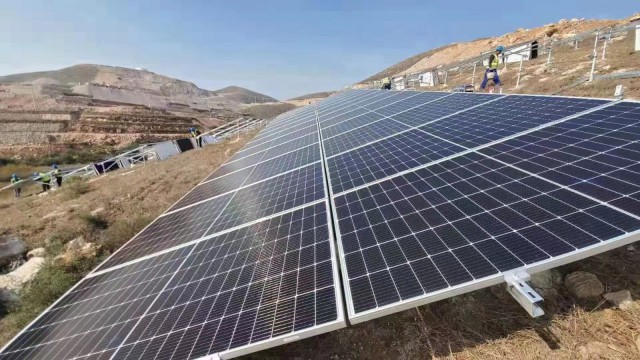
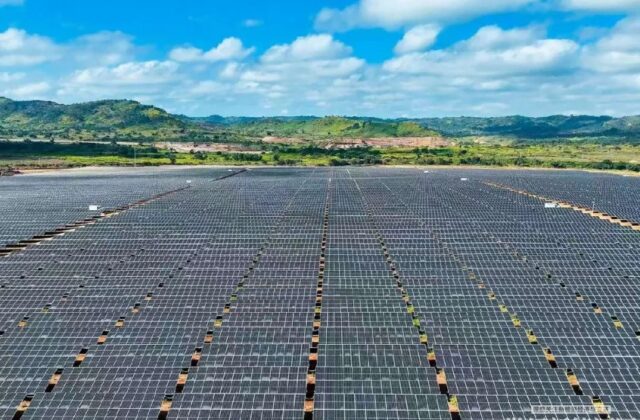
On October 23, PowerChina Hubei Engineering's 100 MW Karangkates floating PV project in Indonesia successfully completed installation of all photovoltaic modules, laying a solid foundation for subsequent electrical installation, system commissioning and grid-connected generation.
Completing all module installation not only reflects the project team's phased achievements in engineering organisation, construction coordination and site management, but also demonstrates the responsibility and commitment of participating organisations in jointly advancing green-energy infrastructure. Next, the project department will continue to focus on safety, quality, progress and environmental management, steadily advancing the remaining construction tasks and acceptance and commissioning work, improving project-management standards and striving to make the project ready for operation as soon as possible.
This is the first Indonesian photovoltaic-investment IPP project won by a Chinese company, and an important part of Indonesia's national net-zero emissions target and green-power development plan. Construction will create approximately 600 jobs. Once completed and operational, it is expected to provide 212 million kWh of clean electricity annually, meeting the electricity needs of approximately 100,000 households, saving around 61,400 tonnes of standard coal and reducing carbon dioxide emissions by approximately 170,000 tonnes. It will support regional clean-energy development and water-resource utilisation, greatly optimise the local energy structure, provide an important model of cooperation in sustainable energy development between China and Indonesia, and offer valuable lessons for water-based PV development in Southeast Asia.