Projects
Anhui’s 60 MW dairy-farm rooftop PV project connects generation with livestock operations
Anhui’s 60 MW dairy-farm rooftop PV project uses 19 cattle-shed roofs, a 110 kV substation and 35 kV collection lines while coordinating construction with livestock operations.
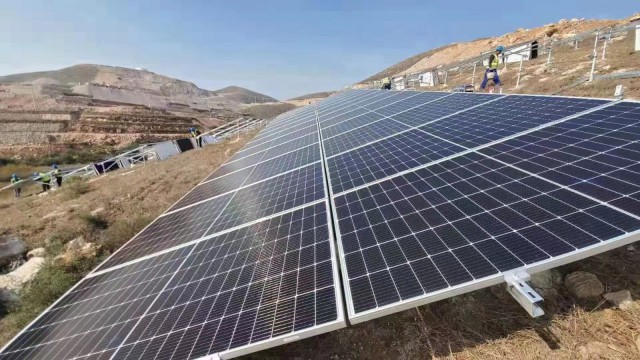
The Anhui Huadian Wuhe Modern Farming 60 MW rooftop PV project, designed by China Energy Engineering Group's Anhui Electric Power Design Institute, recently connected to the grid. The company describes it as Asia's largest single-site, large-scale dairy-farm rooftop solar-and-livestock project. Its approach combines generation above the roofs with cattle farming below, allowing livestock operations and solar power to coexist.
How are unused shed roofs turned into a power plant?
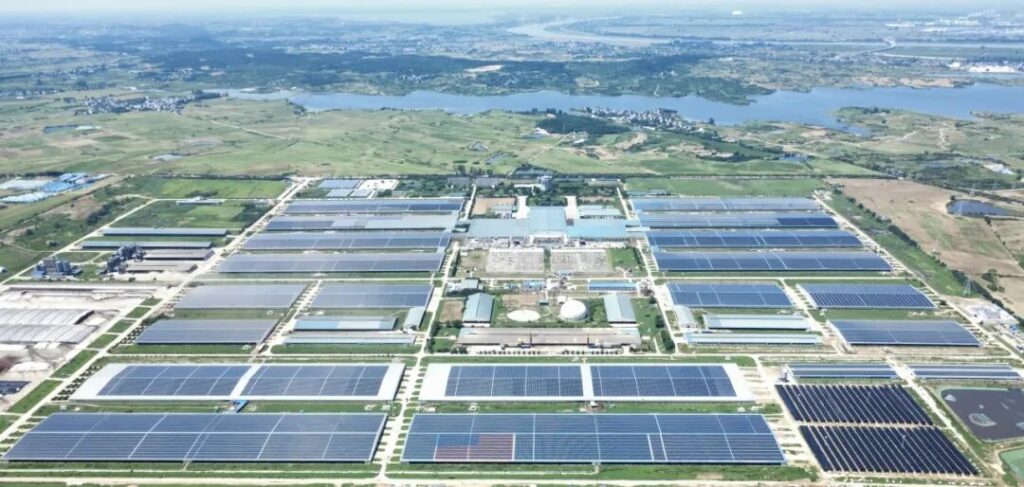
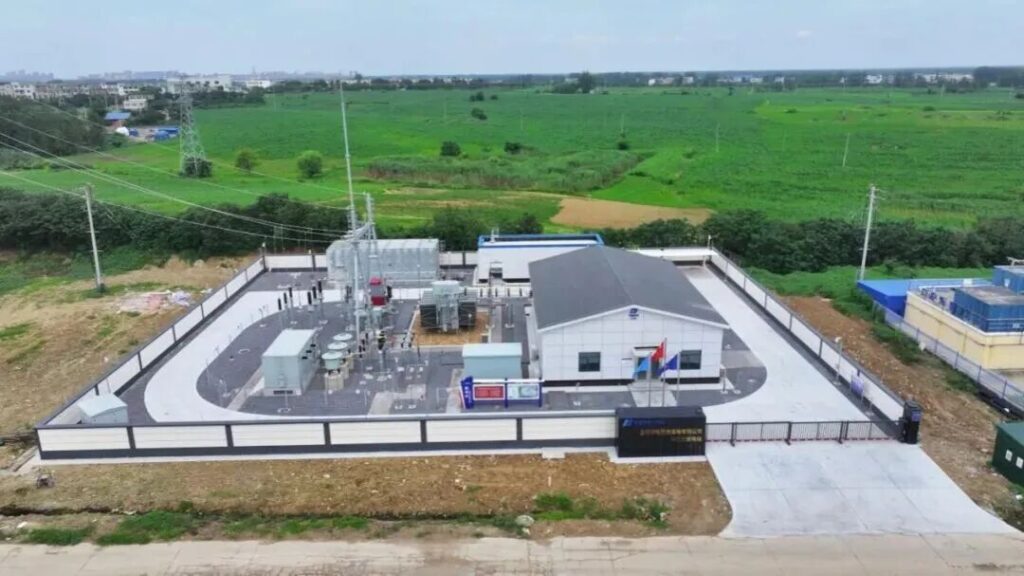
Located in the Modern Farming Industrial Park in Zhuding Town, Wuhe County, Bengbu, Anhui, the project installs PV arrays on the roofs of 19 existing cattle sheds. It includes a 110 kV substation, 35 kV collection lines and the complete PV installation, without requiring additional construction land.
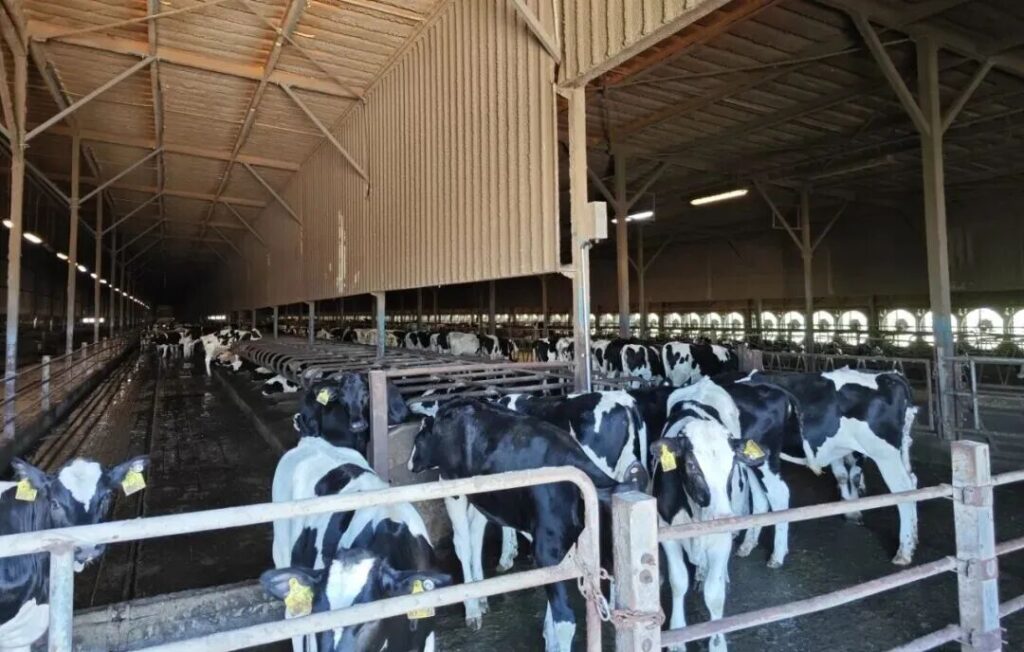
The roofs generate clean electricity while standardised dairy farming continues underneath. Cattle continue feeding and producing milk inside the sheds, allowing the same space to serve both energy and agricultural purposes.
What is its expected environmental contribution?
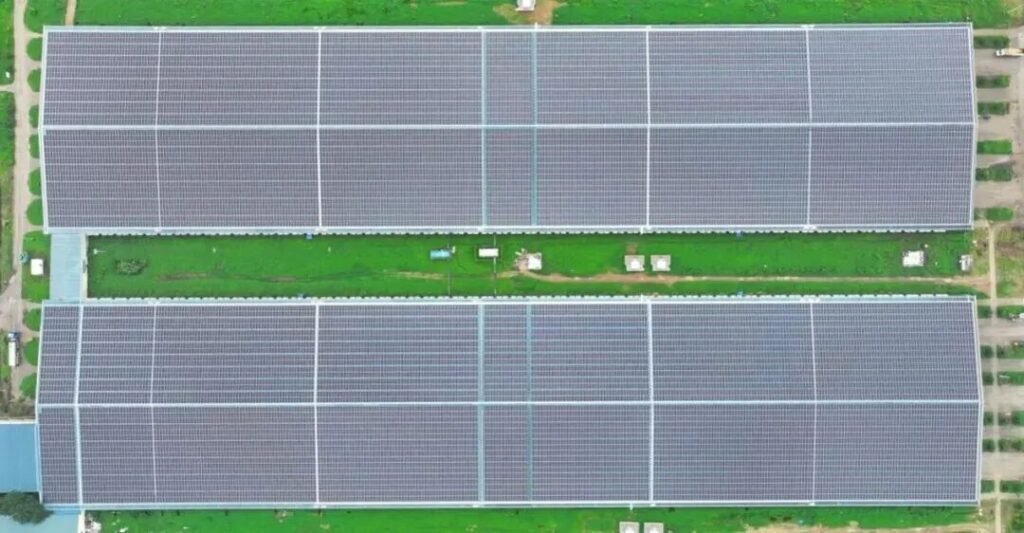
Over its lifecycle, the project is expected to save approximately 636,500 tonnes of standard coal and reduce carbon dioxide emissions by around 1.1397 million tonnes, while cutting pollutants including sulphur dioxide and nitrogen oxides.
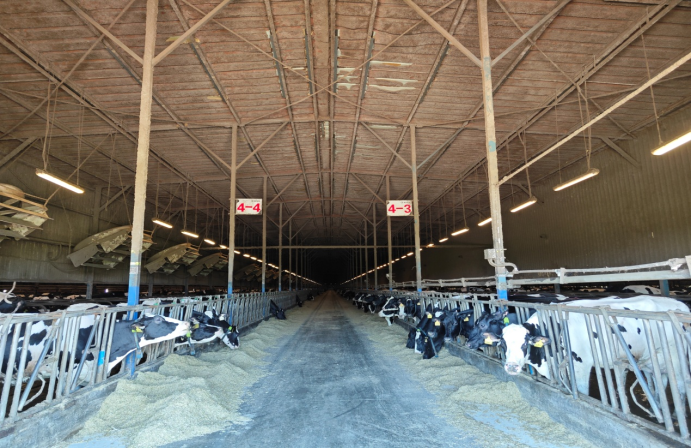
The report also says the solar roofs reduce indoor temperatures, ease heat stress in the cattle and improve the farming environment, supporting both generation and livestock operations.
How were construction challenges addressed?
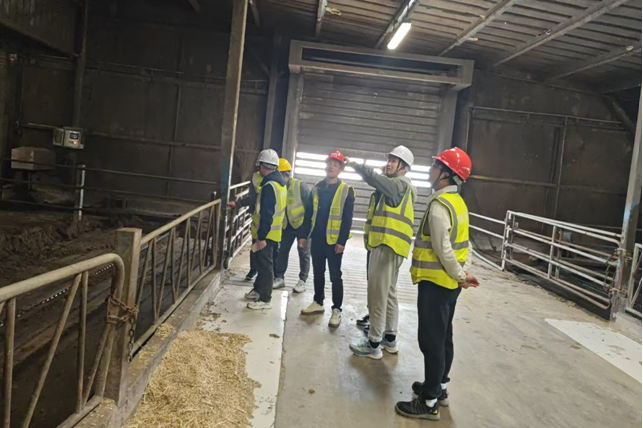
Delivering the project required construction teams to work around the needs of dairy cattle.
Cattle are highly sensitive to vibration and noise. Early sounds from mounting-system fastening and roof reinforcement caused work to stop. Fixed feeding, disease-prevention and milking schedules also left limited construction windows.
At peak construction, more than 200 workers operated concurrently. The team used shed 16 as a pilot to standardise working routes; adopted noise-reduction tools and manual final tightening; prioritised roof ladders, edge protection and walkways; and used dispersed, fixed-location and symmetrical work patterns around the farm's schedule. A dedicated liaison coordinated feeding, veterinary, materials and maintenance teams to reduce communication costs.