Events & conferences
CESC2026 in Nanjing examines storage performance, grid support and project economics
Conference sessions connect battery and grid-forming research with industrial applications, overseas delivery, operational economics and on-site technology testing.
Moving from expansion in scale toward value creation, more than ten presentations explored technological advances and collaboration across the storage ecosystem.
The fourth CESC Energy Storage Conference took place on the afternoon of November 4 in the Zhonghua Hall of the Nanjing International Expo Convention Center, with approximately 600 participants. Zhu Zhi, a young chief professor and doctoral supervisor at Southeast University, chaired the event. Under the theme of technological breakthroughs and ecosystem collaboration, representatives from government departments, universities, research institutes, businesses, industry associations and financial institutions discussed storage development during the 15th Five-Year Plan period.
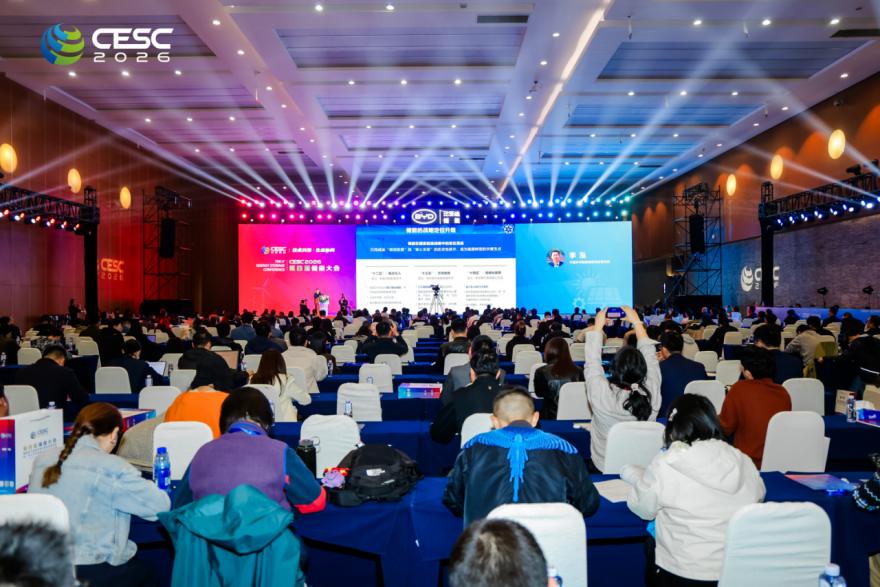
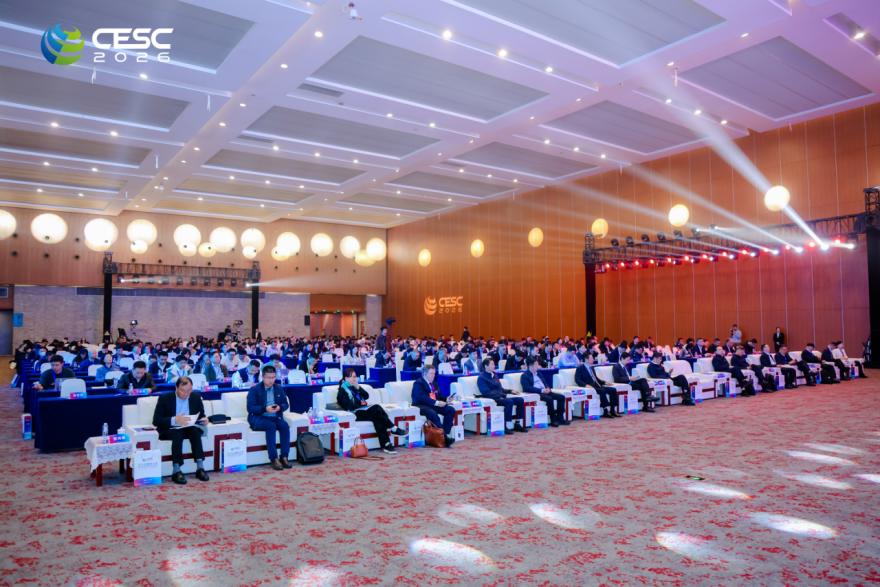
Opening remarks: completing the value chain
Zhang Xing, deputy director of the Jiangsu Department of Industry and Information Technology, said the province's new-type storage industry continues to grow. Invoiced revenue at enterprises above the designated size exceeded RMB 100 billion last year, with industry clusters in Changzhou, Suzhou, Nanjing, Wuxi and Yancheng. The department plans an action programme focused on technological innovation, development of strong enterprises, artificial-intelligence applications and demonstration scenarios.
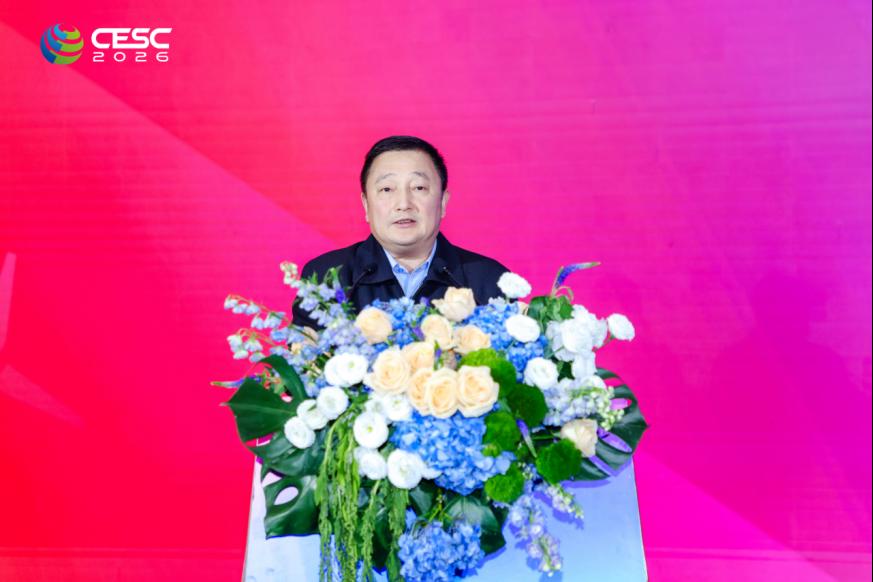
Xie Rongbin, party secretary, chairman and editor-in-chief of China Energy and Automotive Media Group, argued that technological competitiveness must be based on products that work well at an affordable cost. Safety is the baseline, cycle life is a hard performance measure and system efficiency has direct financial value. He said ecosystem collaboration requires moving beyond competing solely for orders toward mutually supportive development.
Gao Qing, a former first-level inspector at the Jiangsu Development and Reform Commission, said the key issue is no longer whether to build storage, but how to use it, earn revenue and sustain its operation after construction. Leading in scale does not itself complete the commercial value chain.
System support and the role of storage
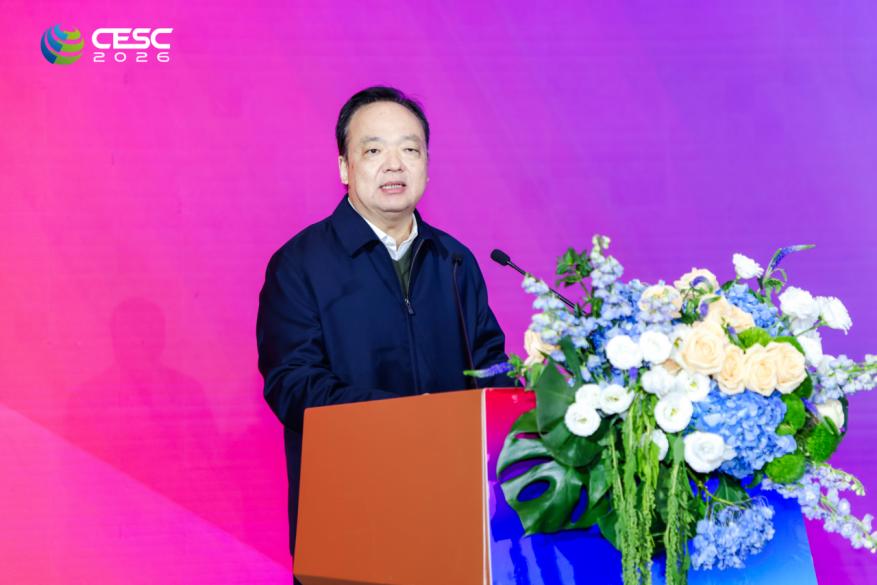
In a presentation on storage supporting the development of a new power system, Chinese Academy of Engineering academician Shu Yinbiao said China had 136 GW / 351 GWh of operational new-type storage by the end of 2025, approximately half the global total and more than 40 times the 2020 level. He said it had overtaken pumped hydro as the largest source of regulating capacity. Equivalent utilisation hours increased from 611 in 2023 to 1,195 in 2025.
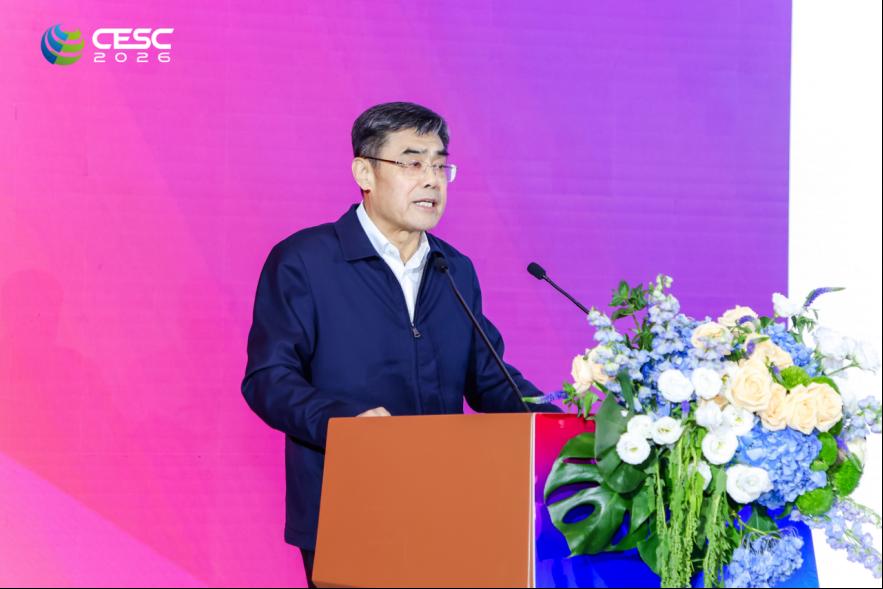
Shu identified three trends for the 15th Five-Year Plan period: a shift from quantity toward quality; greater emphasis on system-friendly applications such as grid-forming and long-duration storage; and faster development of greener, more intelligent technology and industry. Standards development should prioritise grid-related performance, testing, grid-connected operation and lifecycle-management assessment.
Research perspectives on the transition
Li Hong, a researcher at the Chinese Academy of Sciences' Institute of Physics, said lithium-ion batteries account for about 97.3% of new-type storage. Increasing cell capacity creates new challenges for safety and cycle life. His team is developing an in-situ solidification route and plans an all-solid-state storage application demonstration in 2028.
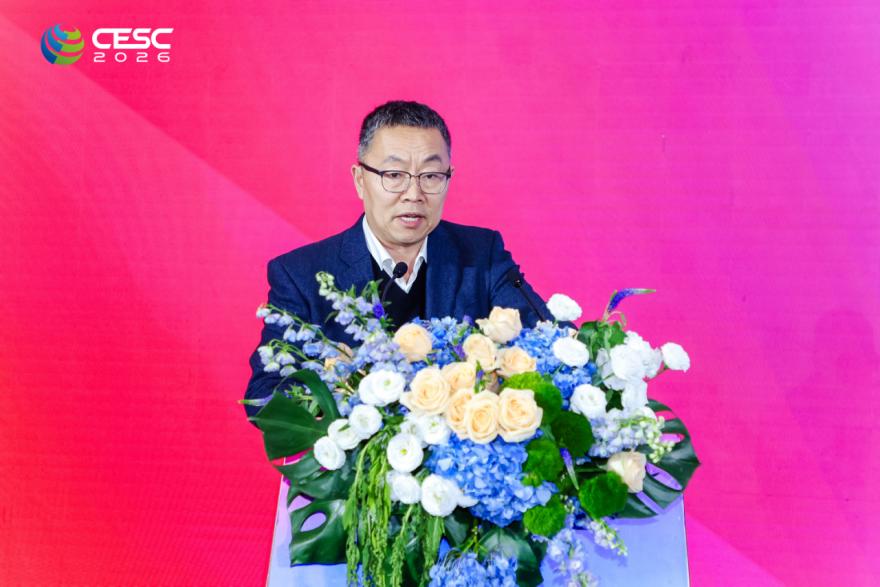
Pei Zheyi, executive chairman of the IEEE PES Energy Storage Technical Committee in China, said higher renewable penetration reduces system inertia and disturbance resistance. Wideband oscillations have appeared in several regions, including what he described as China's first computing-centre-induced event in April this year. Grid-forming storage has grown almost tenfold in three years. He called for faster grid-forming research, safety management throughout the project process and improved electricity-market mechanisms.
Industry experience and applications
Jiang Xiaojie, deputy sales director at BYD Energy Storage, presented a gigawatt-scale grid-forming solution, including work on cells, system integration and energy management, together with overseas market progress.
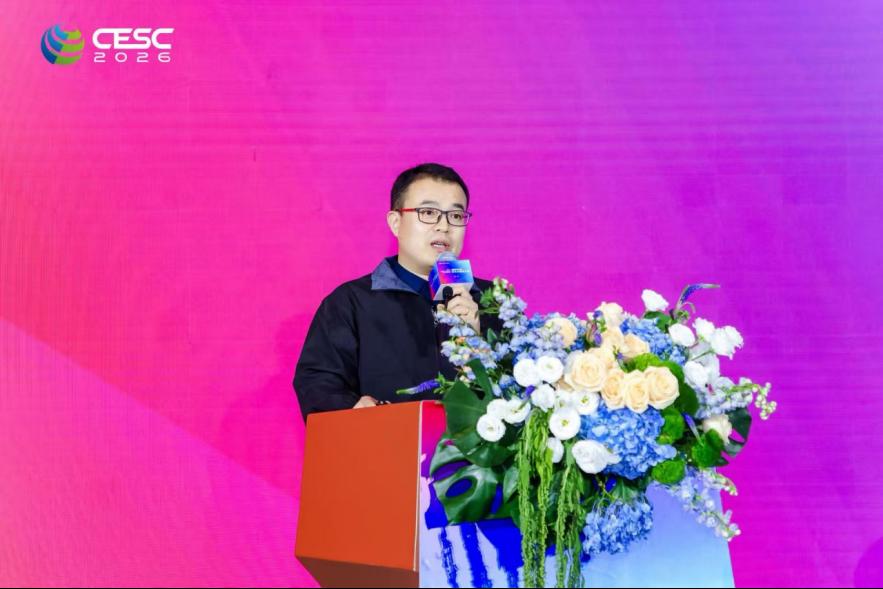
Yu Miao, deputy general manager of Envision Energy's new industrial systems division, drew on direct green-power connections and zero-carbon industrial parks. He examined why many proposals do not reach implementation and argued that projects need balanced long-term returns, with continuing optimisation during planning, construction and operation.
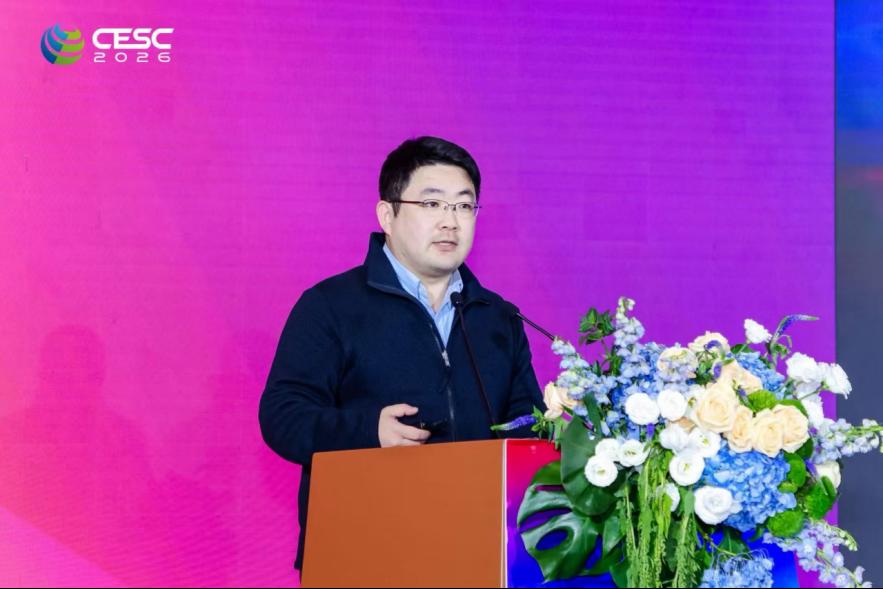
Ren Hongguang, product director at Sineng Electric's solution centre, discussed the fluctuating power characteristics of AI data-centre loads and the role of grid-forming solar-plus-storage in coordinating computing and electricity requirements.
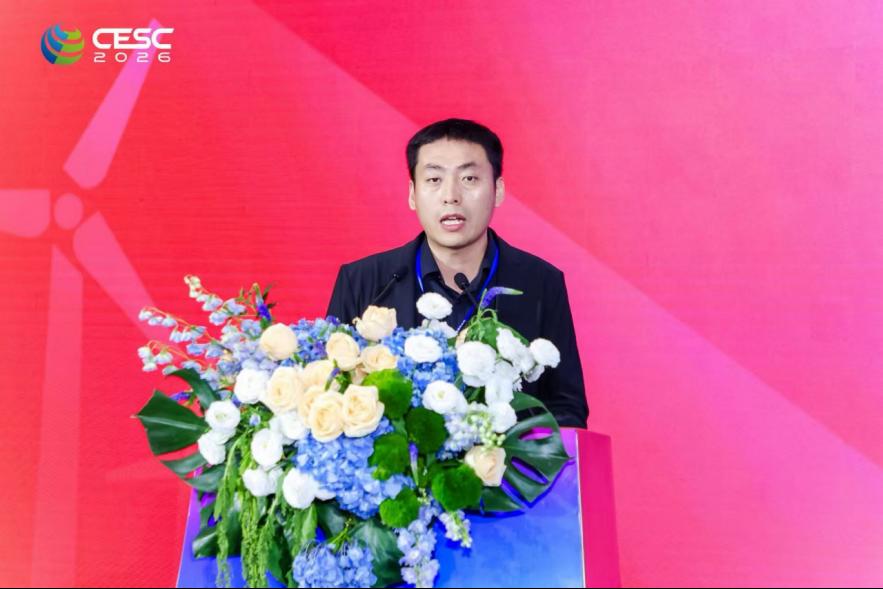
Zhou Xuezhi, deputy director of the Nanjing Institute of Future Energy Systems, introduced research and industrialisation of advanced compressed-air energy storage.
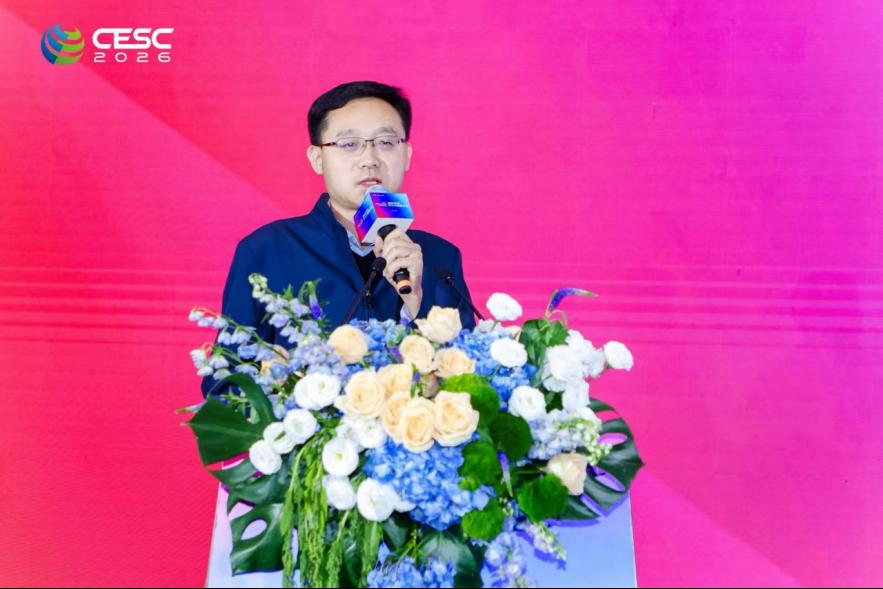
Zeng Yi, co-founder of Jina (Jiangsu) Technology, discussed industrialisation opportunities and technical prospects for sodium-ion batteries.
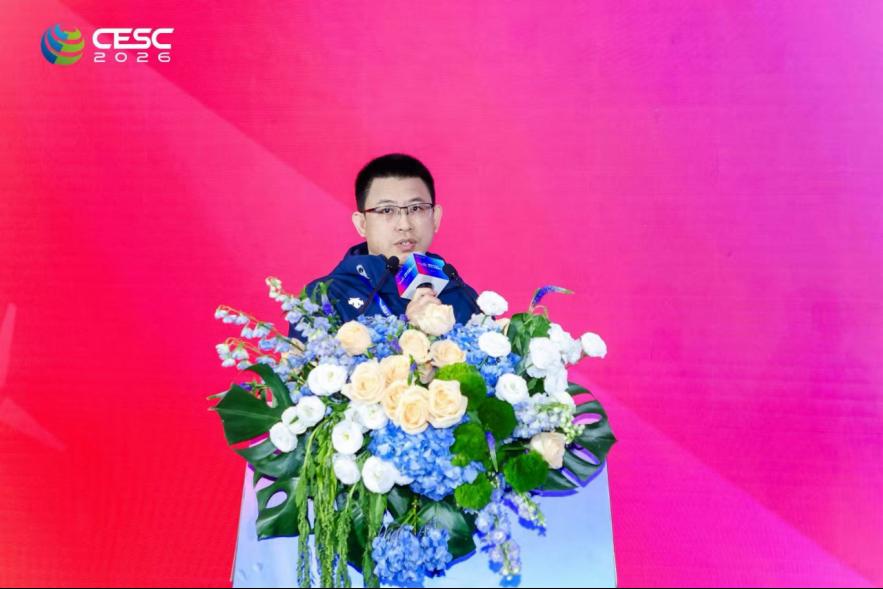
Yan Mingtao, deputy chief engineer at Suzhou GCL New Energy Technology Operation, presented an AI-based approach to storage-station operation.
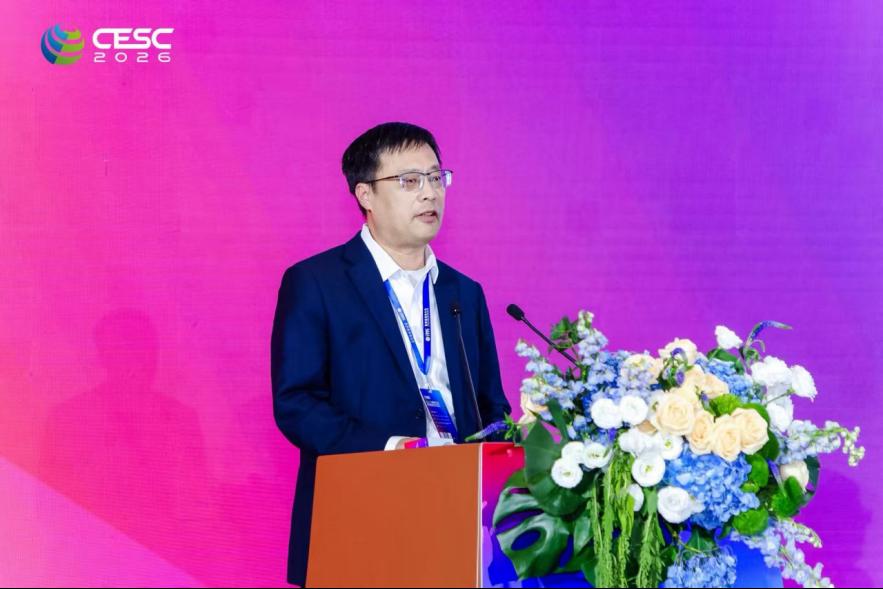
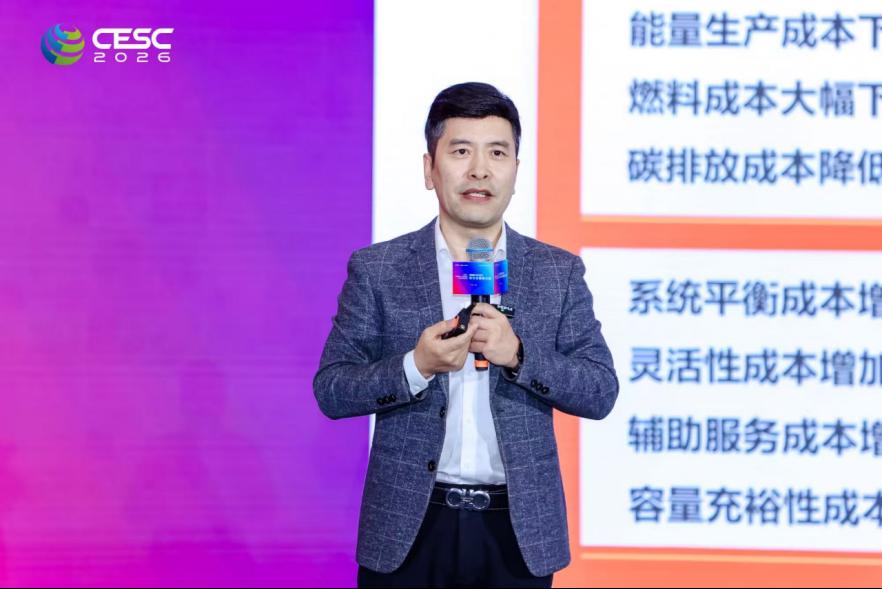
Li Xudong, general manager of the zero-carbon industry innovation centre at Wanbang Digital Energy, discussed microgrids and distributed energy, focusing on how application-specific solutions can be deployed at scale.
Roundtables: overseas delivery and direct green-power supply
Pei Zheyi chaired a roundtable organised around two topics.
The first considered the move from winning overseas orders to establishing a lasting local presence. Miao Nanlin, storage industry director at NR Electric, said customers' requirements for quality and reliability remain constant, with certification, grid-forming performance and environmental suitability forming three essential barriers. Canadian Solar senior vice president Zhang Guangchun recommended transparent and trustworthy markets and stronger products and reputations. Shoto Group storage marketing general manager Wu Han said international expansion is now essential, but long-term success depends on commercial, service and technical capabilities adapting to local grids, financing and law. Wang Deke, deputy general manager for storage at the China General Certification Center, stressed differences between countries' grid-connection standards and the need to track standards and regulations together.
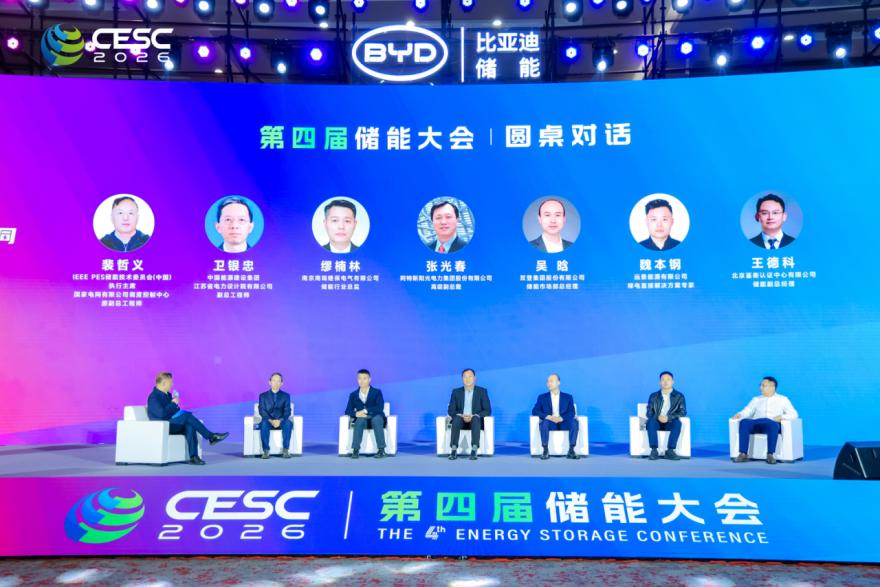
The second topic addressed storage in direct green-power supply. Envision specialist Wei Bengang said storage is indispensable, with frequency regulation and voltage support providing a basis for system security. Wei Yinzhong, deputy chief engineer at China Energy Engineering's Jiangsu Electric Power Design Institute, used a Nantong chemical-company project to show why storage is necessary for integrating green electricity. Miao argued that economic performance depends on whether storage can replace reserve capacity otherwise provided by the main grid, requiring seamless switching. Wang and Wu both identified economics as a remaining difficulty and called for storage to move beyond a single source of value.
Exhibition and competition: testing performance in practice
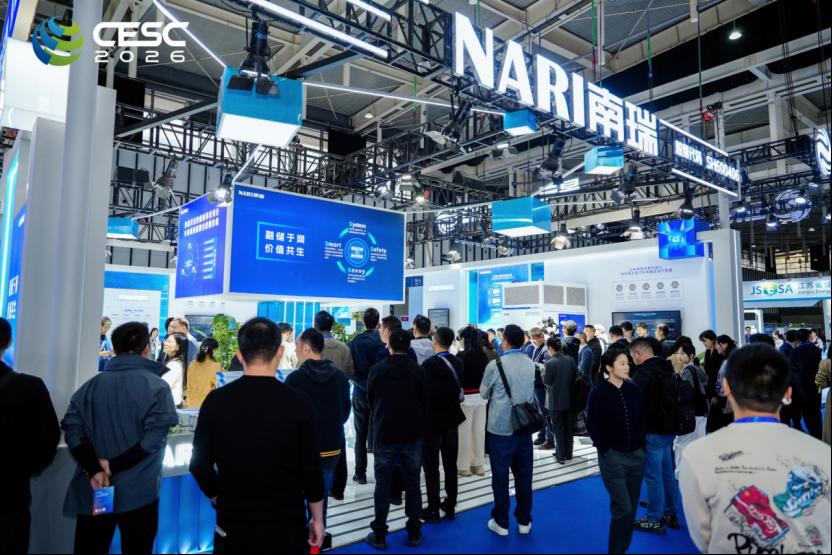
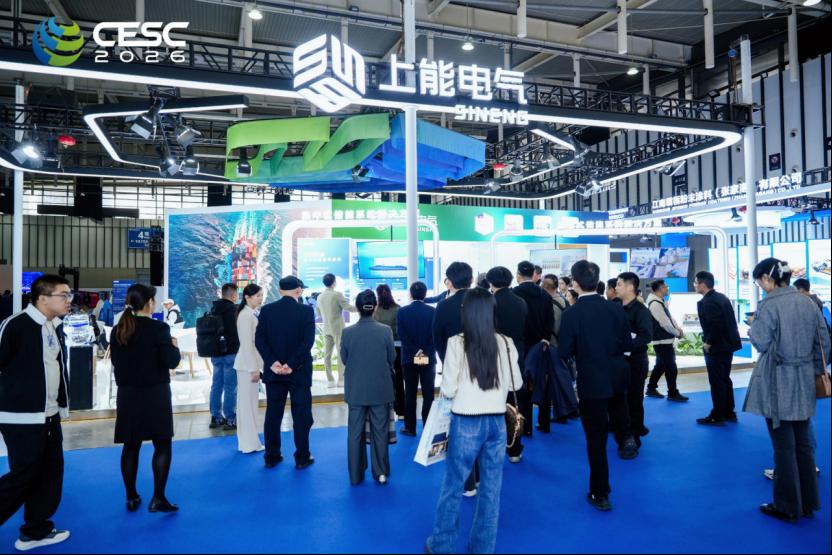
Alongside the conference, CESC2026 held a three-day exhibition from November 3 to 5 in Halls 4 and 5 of the Nanjing International Expo Center. Hall 4 presented technology routes, products and engineering applications for storage and smart grids. Exhibitors included BYD Energy Storage, Sineng Electric, Envision Energy and NR Electric.
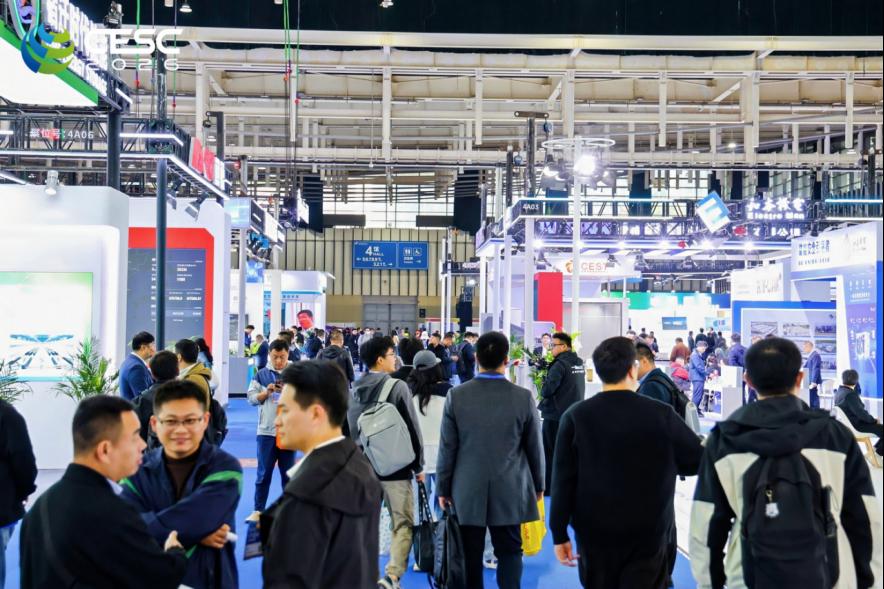
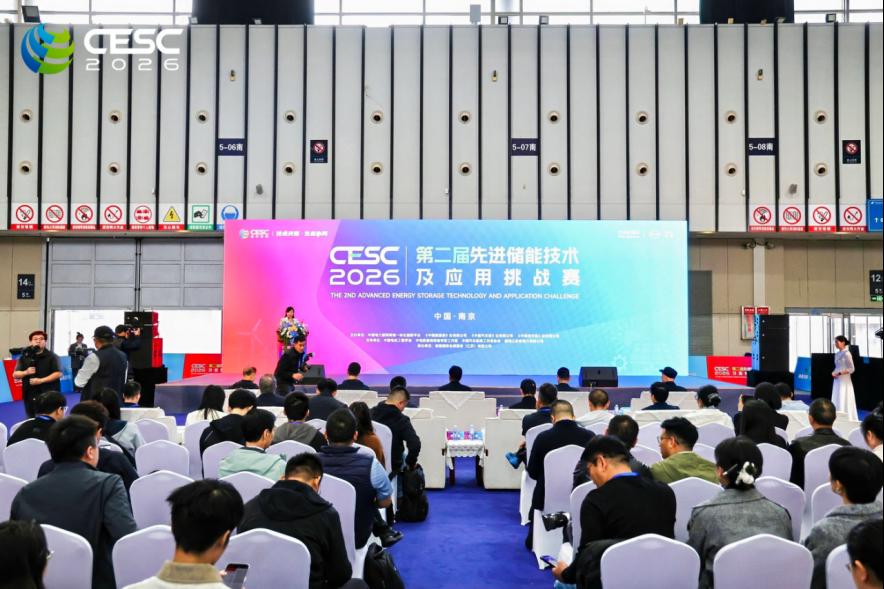
Hall 5 hosted the second Advanced Energy Storage Technology and Application Challenge, with nine tracks combining on-site measurements and project assessment. Its central approach links competition with testing under operating conditions. Separate live-performance and review-based contests bring testing and certification activities into the competition venue, assessing technology through traceable, reproducible measurements.
The shift from expansion in scale toward value creation ran through the exhibition, forum and competition. The question for storage is increasingly whether it performs effectively and economically, rather than simply whether it can be built. Products in Hall 4 addressed what solutions are available; testing in Hall 5 examined whether performance data are dependable; the conference discussions considered how value can be realised. Together, they connected technical validation with applications and collaboration across the supply chain.
As the industry moves from capacity expansion toward higher quality, technologies need to withstand tests under real operating conditions and business models need to withstand market economics. The conference's central message was that real demand should determine which solutions succeed, with the industry's participants finding their roles across a connected value chain.