Corporate finance
JA Solar’s 20 MW / 40 MWh Jiangsu storage project enters pre-grid testing
A November 12, 2026 report says equipment delivery is complete and on-site integration tests are under way. The factory project uses eight JAGalaxy systems and is expected to connect by year-end; non-recourse financing is reported separately from commissioning.
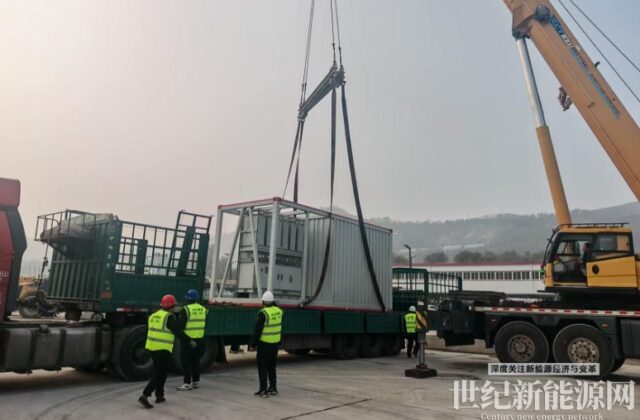
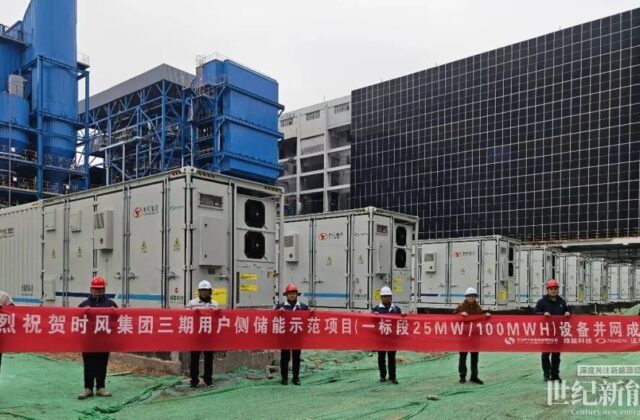
Recently, all equipment deliveries were completed for the 20 MW / 40 MWh commercial and industrial storage project that JA Solar is building for a manufacturing factory in Jiangsu. On-site system integration commissioning and pre-grid-connection testing are now proceeding intensively, with official grid-connected operation expected by the end of this year.
Against the current backdrop of continuing pressure on commercial and industrial electricity costs, sound electricity-use management has become an important way for businesses to reduce costs and improve efficiency. Electricity bills depend not only on total consumption, but also closely on when electricity is used—a feature particularly evident in Jiangsu, where time-of-use pricing mechanisms are becoming increasingly refined.
Notably, State Grid Jiangsu Electric Power Co., Ltd. recently published the November 2026 electricity tariff table for commercial and industrial users purchasing electricity through its agency. Meanwhile, Jiangsu is continuing to optimise its time-of-use tariff policy, dynamically defining peak, flat-rate and valley periods by season and introducing a midday valley period, with the aim of encouraging businesses to shift loads appropriately, increase their share of valley-period consumption and reduce peak-period electricity purchases.
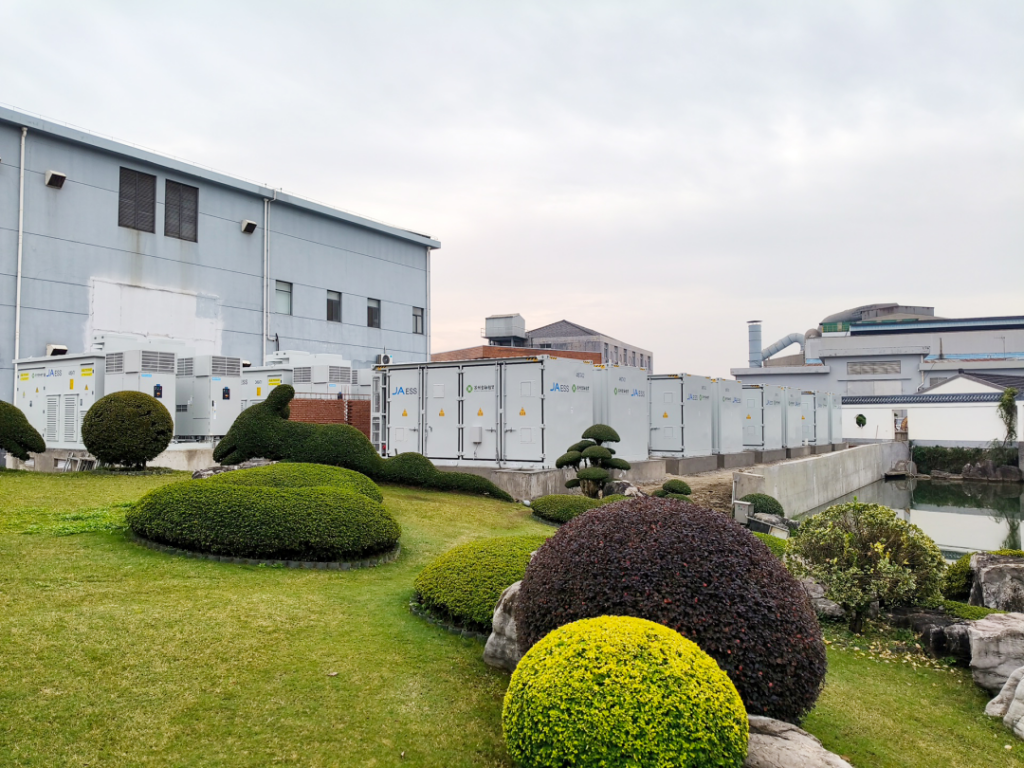
The project is equipped with eight JAGalaxy liquid-cooled battery storage systems, each rated at 2.5 MW / 5 MWh, for a total scale of 20 MW / 40 MWh. Once connected and operational, the system will follow a ‘charge in the valley, discharge at the peak’ strategy: charging from the grid during the night-time valley period and discharging to supply the factory during daytime production peaks, effectively reducing direct grid purchases at peak times and lowering overall electricity costs.
It is also worth noting that the project has successfully obtained non-recourse project financing from a financial institution, providing a replicable financial model for the market-based implementation of commercial and industrial storage projects. The project is currently in the critical commissioning phase before grid connection. Once connected, it will provide long-term support for flexible factory-load regulation and refined electricity-cost management, helping the business build a green, economical and reliable new energy-use system.