China energy abroad
Hopewind supplies 900 inverters for KPM’s 440 MWp off-grid solar-and-storage phase two in DR Congo
The November 19, 2026 company account reports operation of KPM's phase-two system in Likasi, with three grid-forming storage stations and 440 MWp of PV. The company describes maximum annual clean-electricity supply of 750 GWh but does not give storage power or energy ratings.
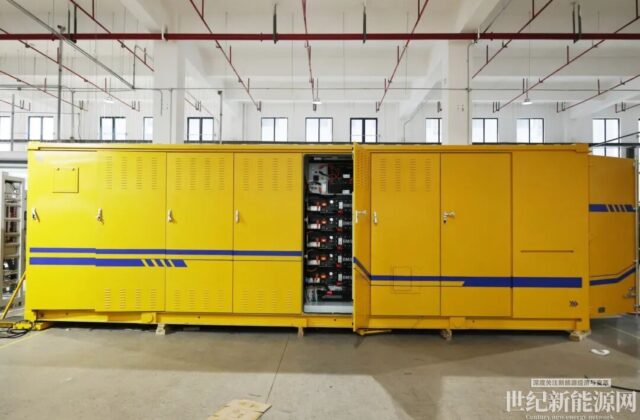
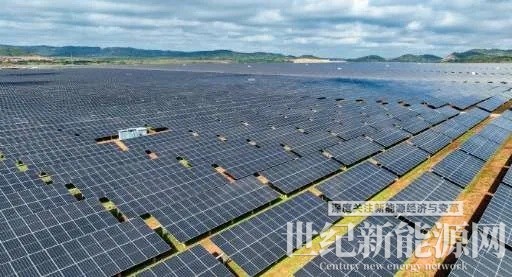
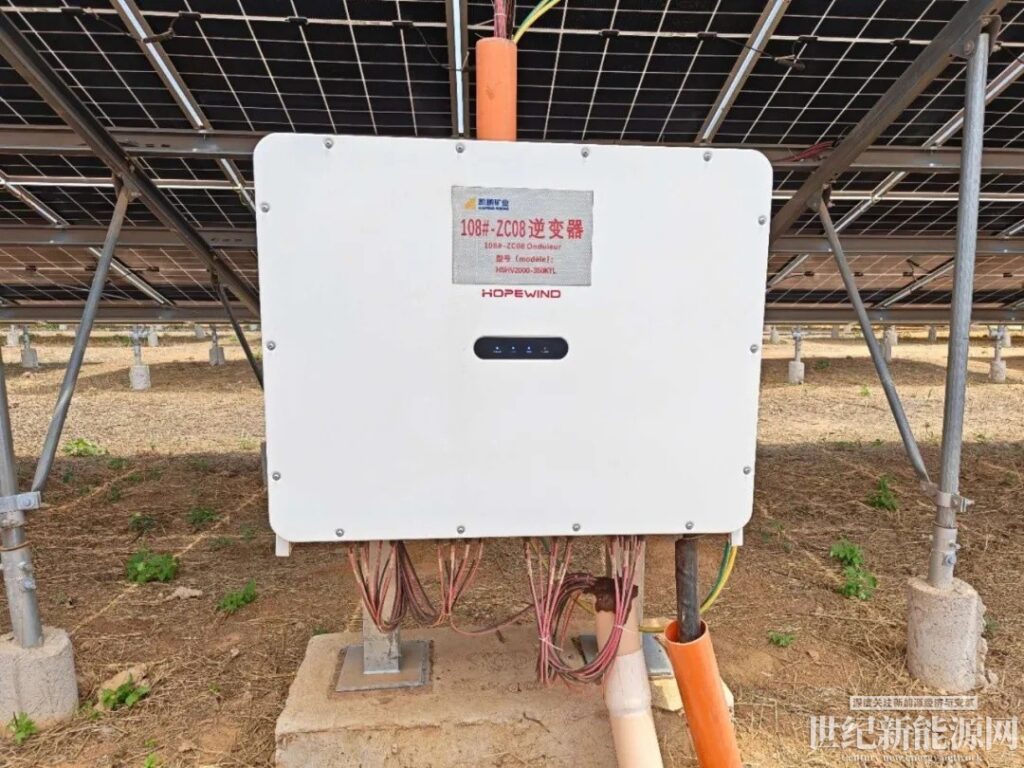
Recently, phase two of the new-energy power system at Kaipeng Mining (KPM) in the Likasi mining area of the Democratic Republic of the Congo officially entered operation. The project is a 100% renewable-energy power system, equipped with three separately located grid-forming storage stations and a 440 MWp PV power plant. Since the project entered operation, the system has maintained stable off-grid operation throughout. Annual clean-electricity supply can reach a maximum of 750 GWh, significantly improving the mine's power-supply security and renewable-energy consumption. Hopewind supplied 900 units of 350 kW grid-connected PV inverters for the project. Together with the coordinated support of the project's grid-forming storage system, they help ensure highly reliable green-electricity supply for the mining area.
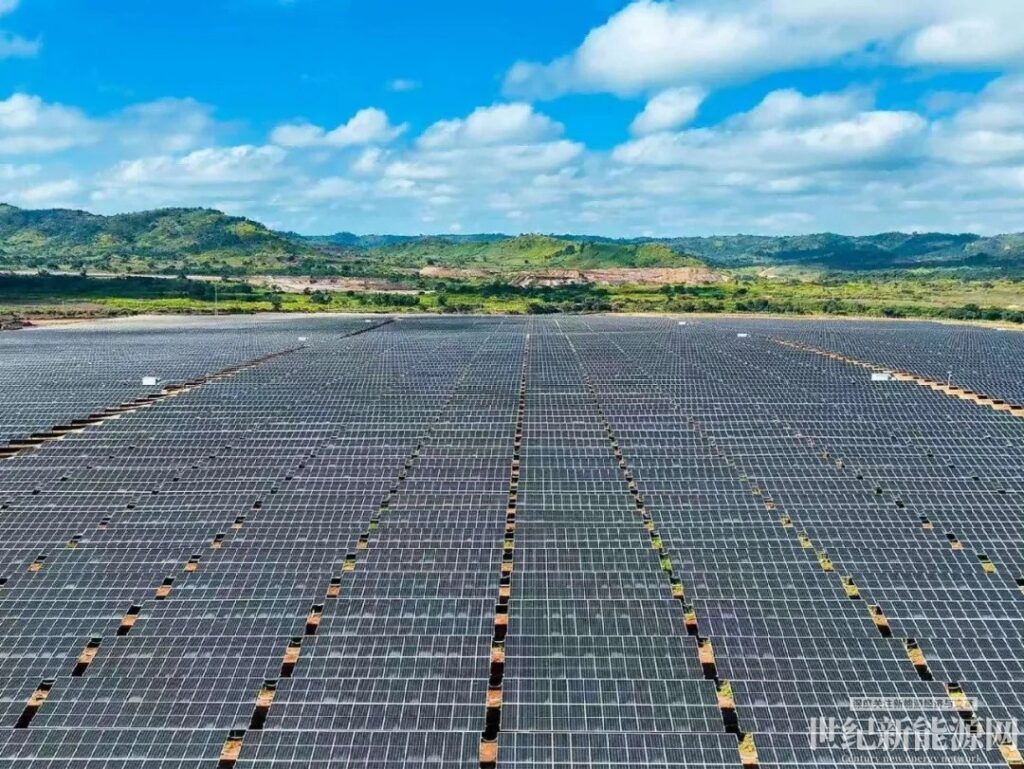
The new power system addresses long-standing power-supply difficulties at local mines: mineral-processing and smelting operations, including roasting and electrowinning, consume large amounts of electricity and require a highly continuous supply, while the public grid in the DR Congo copperbelt is weak and unstable. Long diesel transport chains, large oil-price fluctuations and persistently high electricity costs have long constrained the release of mine capacity. The project was tailored to address these challenges, relying on stable clean-electricity output from a large-capacity solar-and-storage system to ensure continuous production in the mine's core smelting processes, while reducing carbon emissions from copper production and supporting implementation of KPM's overall green-smelting plan.
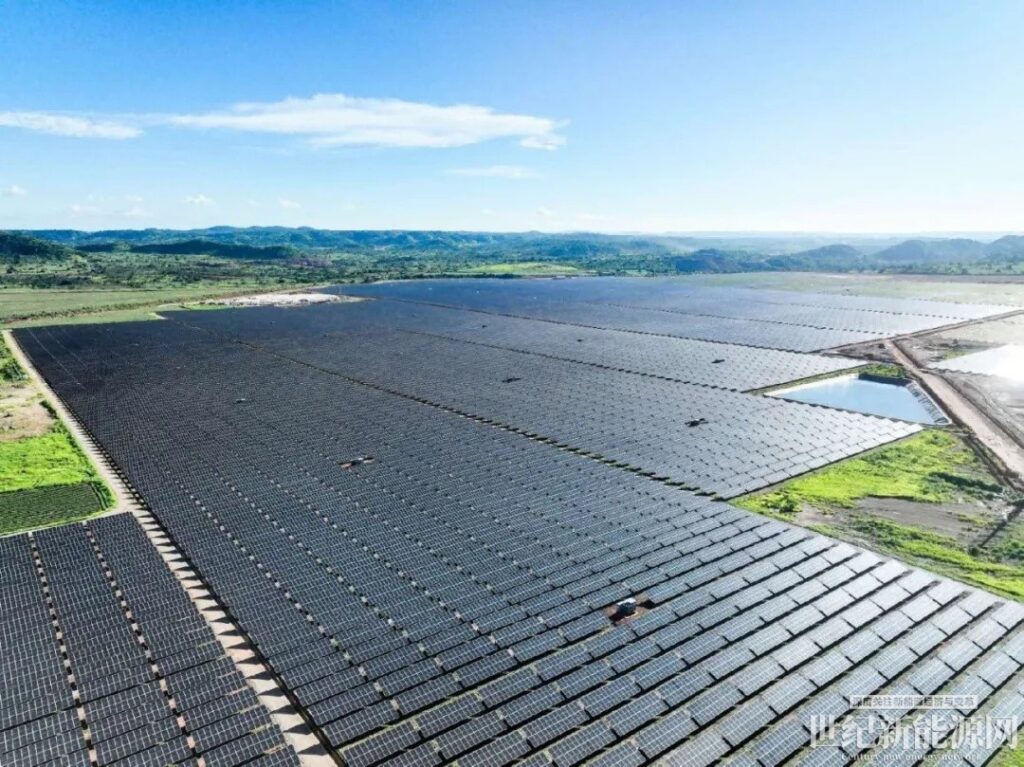
The project is a highly representative large-scale all-green-electricity mining power-supply scheme in Africa. Media have described it as a benchmark mining renewable-energy power system with the largest commissioned capacity, the most nodes and the most complex operating modes currently in African mining areas. The site has excellent sunlight resources, but the surrounding area is rich in metal deposits, with large amounts of mine dust and frequent lightning. Combined with severe load impacts from starting and stopping high-power smelting equipment, these conditions place extremely high demands on PV inverter performance, environmental resilience and coordinated compatibility.
Hopewind's 350 kW grid-connected PV inverter is designed specifically for large ground-mounted PV applications and precisely adapts to the mine's complex operating conditions. It supports full-load operation at 45°C and uses a fan-reversal dust-removal function to handle high temperatures and dust accumulation; IP66 protection combined with a C5 corrosion-resistance rating withstands mine dust and condensation-related corrosion; and AC and DC surge protection suits the locally frequent lightning. The product also supports AFCI arc-fault protection and IV-curve scanning to ensure generation safety, and has low- and high-voltage ride-through and night-time SVG capabilities to handle smelting-load disturbances. The deployment of 900 units at the site fully demonstrates Hopewind's strong product quality, volume-delivery capability and on-site coordination strength.
Mining is an important pillar of Africa's resource economy, and green transformation is an inevitable direction for low-carbon upgrading of the global mining industry chain. As a benchmark solar-and-storage practice for a large African mining area, this project is a vivid example of Chinese renewable-energy power-electronics technology going overseas. Looking ahead, Hopewind will continue to provide highly reliable integrated solar-and-storage solutions for remote mining areas and weak-grid regions worldwide, using strong power-electronics equipment to connect resource development with green and low-carbon development, help global mining balance stable production and efficiency, energy autonomy and carbon-reduction goals, and jointly advance the global energy transition and sustainable development.