Ground mounting
PV Components & Balance of System
Mounting, trackers, cabling, protection, transformers, connectors and monitoring.
Browse categories
Industry records
9 results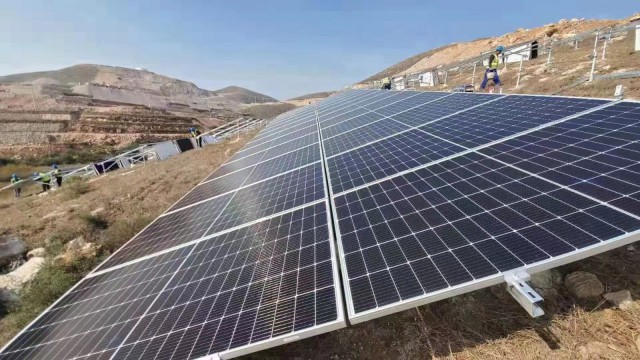 Application illustration
Huaye zinc-aluminium-magnesium PV mounting steel
Zn-Al-Mg coated mounting steel; project-specific sections
- Technology
- Coated structural steel for PV mounting
- Rating / capacity
- Project-specific structural design
SupplierHuaye (Tianjin) Steel
Electrical & BOS
Ground mounting
Huanghua Junkang Metal Products
Cables & connectors
Shanghai Guangheng Cable
Electrical & BOS
Dongguan Yongwen Electrical
 Product image
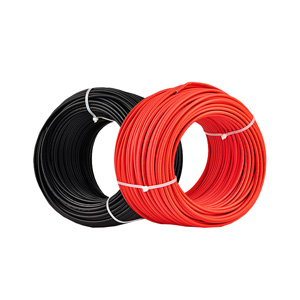
H1Z2Z2-K 1500 V PV cable
H1Z2Z2-K; title designation 1 × 4
- Technology
- Single-core PV DC cable
- Rating / capacity
- 1.5 kV DC nominal
SupplierShanghai Guangheng Cable
 Product image
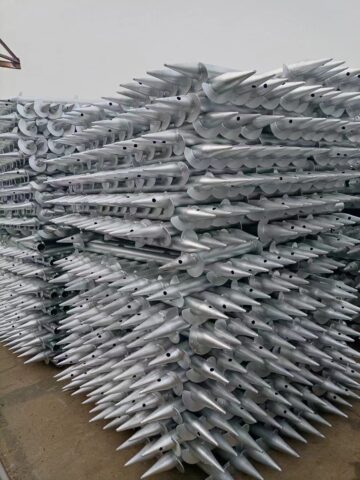
PV ground screw and spiral foundation pile
Project-specific ground screw
- Technology
- Steel spiral foundation pile
- Rating / capacity
- Project-specific structural rating
SupplierHuanghua Junkang Metal Products
 Configuration illustration
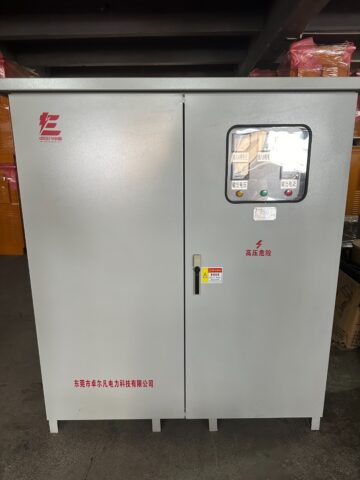
690 V to 400 V storage isolation transformer
690 V / 400 V; exact code unstated
- Technology
- AC isolation transformer
- Rating / capacity
- kVA rating to be specified
SupplierDongguan Yongwen Electrical
Related equipment
Browse equipment ↗Application illustration
Huaye zinc-aluminium-magnesium PV mounting steel
Zn-Al-Mg coated mounting steel; project-specific sections
- Technology
- Coated structural steel for PV mounting
- Rating / capacity
- Project-specific structural design
SupplierHuaye (Tianjin) Steel
Product image
H1Z2Z2-K 1500 V PV cable
H1Z2Z2-K; title designation 1 × 4
- Technology
- Single-core PV DC cable
- Rating / capacity
- 1.5 kV DC nominal
SupplierShanghai Guangheng Cable
Product image
PV ground screw and spiral foundation pile
Project-specific ground screw
- Technology
- Steel spiral foundation pile
- Rating / capacity
- Project-specific structural rating
SupplierHuanghua Junkang Metal Products
Industry overview & technical considerations
Balance-of-system equipment joins modules and inverters into an installation. Structural components, DC circuits, AC distribution, protection and monitoring have different qualification requirements and should not be selected from photographs alone.
For mounting and foundations, establish site loading, corrosion exposure, roof or soil conditions and connection details. For electrical equipment, match ratings, interfaces and protection coordination to the complete system design.
Source drawings, test reports and exact-model specifications are more useful than generic compatibility claims. Related product records help define a sourcing brief, while engineering approval remains tied to the intended site and configuration.