Company news
Xishuangbanna’s 17 PV projects totalling 1.135 GW pass completion acceptance
The November 19, 2026 report describes completion acceptance for 17 projects built by Sinohydro Bureau 9 across Jinghong, Menghai and Mengla. It records five 220 kV substations and agricultural-PV construction; annual generation and emissions benefits are stated for when all projects are operating, not newly measured operating results.
Recently, all 17 PV projects built by Sinohydro Bureau 9 in the Xishuangbanna area of Yunnan passed completion acceptance, marking successful completion of construction work on the area's large mountain clean-energy base.
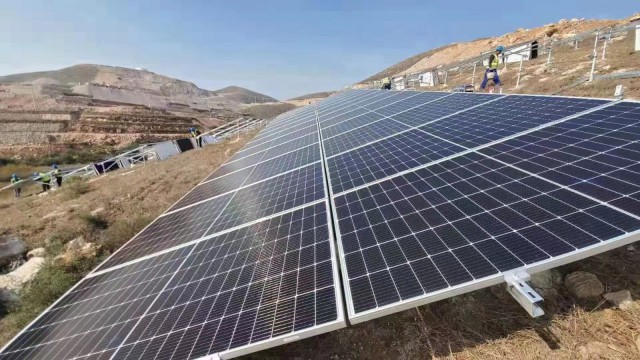
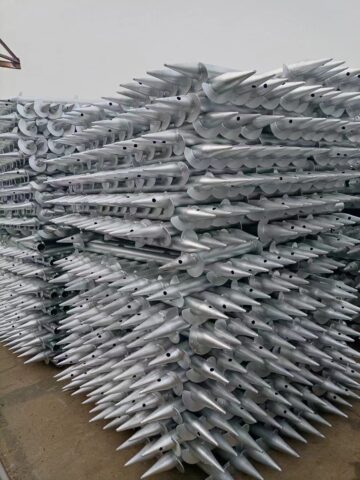
The projects have a total installed capacity of 1.135 GW and are distributed across Jinghong City, Menghai County and Mengla County. They comprise 17 construction subprojects: ten in Jinghong, four in Menghai and three in Mengla. The main construction scope covers 1.135 GW of PV arrays and five 220 kV substations, including core processes such as pile-foundation construction, mounting and module installation, and inverter and box-transformer installation. A total of 104,257 groups of PV modules, 385 supporting box transformers and 3,566 inverters were installed. The projects were designed by PowerChina's Zhongnan Institute and Huadong Institute and built by Sinohydro Bureau 9.
During construction, faced with highly uneven mountain slopes, widely dispersed work sites and a long rainy season, the Sinohydro Bureau 9 project team focused on green construction, quality improvement and efficiency, developing several technical results, including ‘Technical Research on Material Supply Chains for Regional PV Project Clusters’. Based on road surveys, it established a dedicated transport team, repaired and widened site roads, promptly received delivered materials and arranged distribution points appropriately. It flexibly used methods including ‘packhorse transport, drone air delivery and chutes’ to ensure that equipment and materials reached their proper positions. Abandoning the traditional practice of cutting construction platforms, it used ‘Little Bee’ drilling to avoid damaging vegetation outside PV support areas and minimise disturbance to original vegetation. It formed Party-member vanguard teams and youth task forces to work on the front line and lead from the site, divided construction areas scientifically, selected optimal technical routes, strengthened coordination among participants and made good use of the ‘golden construction period’ to ensure successful delivery of construction targets. The projects also extensively adopted agricultural-PV models combining PV with tea and coffee, effectively enabling dual land use and integrated development of mountain resources, creating jobs and income for local farmers and bringing new vitality to rural revitalisation.
Once all projects are operating, they can deliver approximately 1.927 billion kWh of clean electricity annually, saving about 588,700 tonnes of standard coal and reducing carbon-dioxide emissions by around 1,572,400 tonnes each year, continuously contributing PowerChina's capabilities to the green, low-carbon transformation of southern Yunnan's energy system.