BMS, EMS and PCS: the three control systems in battery storage
A complete technical reading edition explaining battery monitoring, energy management, power conversion and their coordination in C&I storage.
Read document →Factories, parks and commercial buildings: load management, solar integration and site operation.
A complete technical reading edition explaining battery monitoring, energy management, power conversion and their coordination in C&I storage.
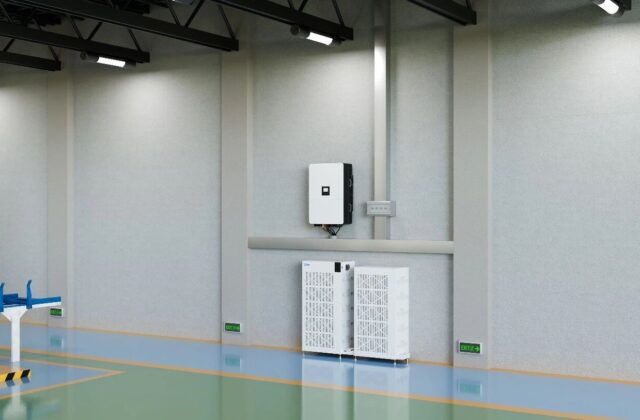
Read document →The launch separates indoor modular deployment from outdoor cabinet applications, alongside cloud energy management and lifecycle service functions.
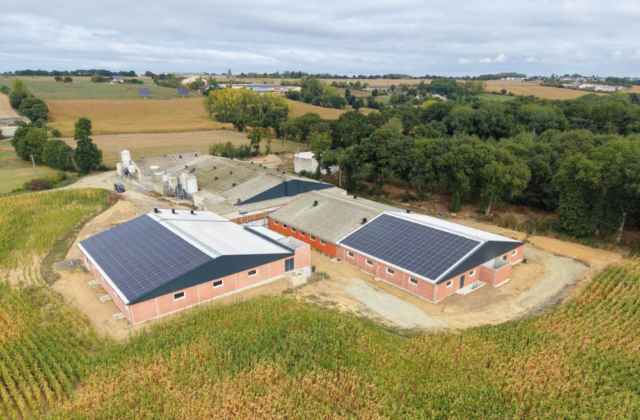
Two T-MAX Plus Hybrid systems shift surplus solar and off-peak electricity to support continuous ventilation, temperature control and other farm loads.
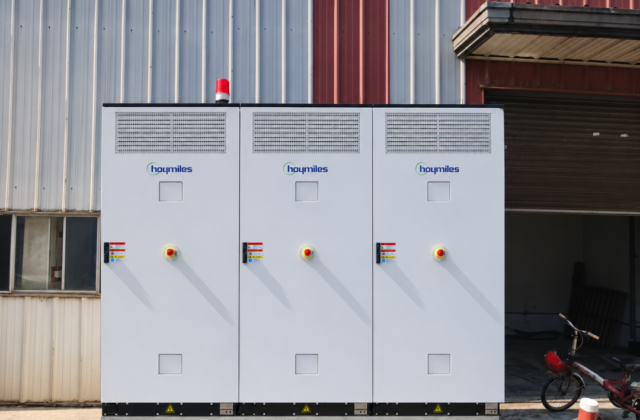
Two industrial-park installations use 11 and six HoyUltra 261A units respectively, combining load management, liquid cooling and site-specific dispatch.
Commercial and industrial storage starts with the site's measured load, tariff structure, connection and operating requirements. A cabinet's energy rating alone cannot establish savings or the appropriate project size.
Peak shifting, demand management, self-consumption and backup are distinct services. Their compatibility depends on dispatch priorities, state-of-charge limits, load characteristics and the delivered control system.
Compare systems using a complete scope: battery, PCS, EMS, cooling, protection, installation and service. Economic results depend on actual tariffs and operation; historical examples should not be presented as guaranteed future returns.