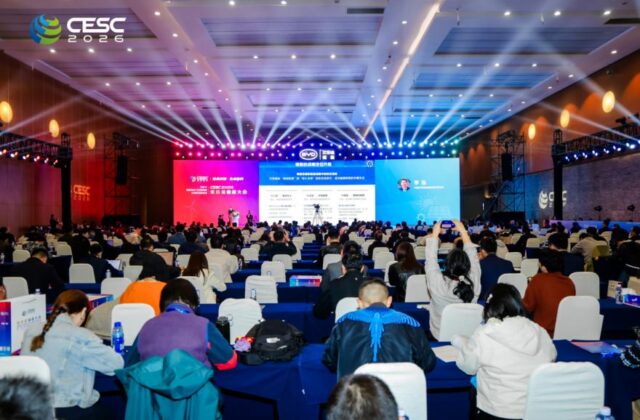
CESC2026 in Nanjing examines storage performance, grid support and project economics
Conference sessions connect battery and grid-forming research with industrial applications, overseas delivery, operational economics and on-site technology testing.
Bidirectional converters, DC/DC, conversion architecture and grid-support functions.
Conference sessions connect battery and grid-forming research with industrial applications, overseas delivery, operational economics and on-site technology testing.
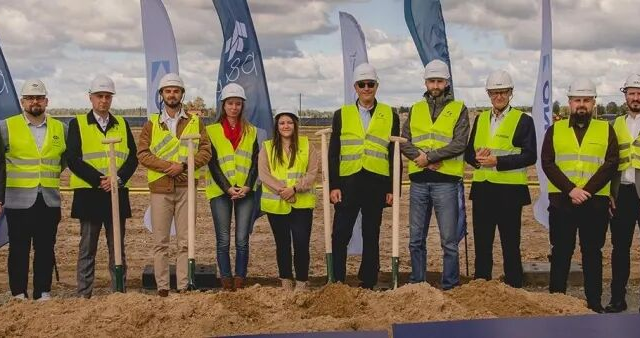
The Siedlce development combines Chinese battery-system supply with local engineering and a 400 kV grid connection, targeting commercial operation by the end of 2027.
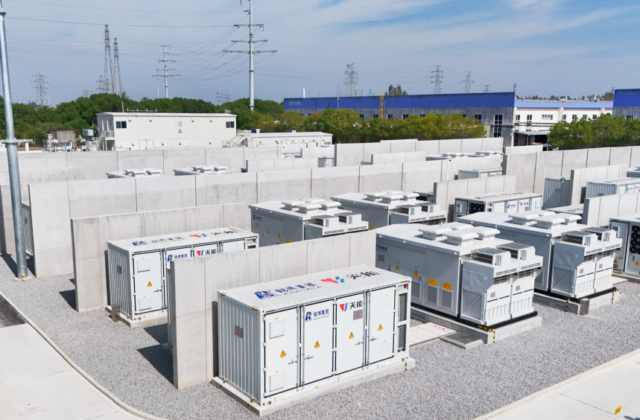
The Pinghu project uses 24 storage units, a new 110 kV step-up substation and Tianneng's string-based control architecture.
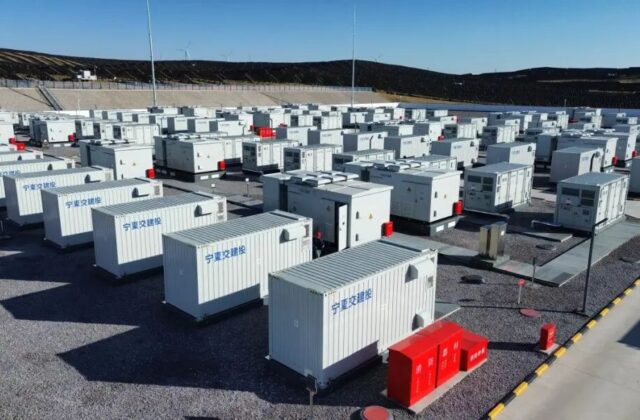
The Shizuishan project combines four-hour storage with an AC-side solution comprising 26 converter-transformer units and 103 central PCS units.
A storage power conversion system controls energy transfer between the storage medium and the AC network, with architecture-dependent interfaces. It should not be assumed equivalent to a conventional PV inverter.
Compare continuous and peak power, voltage windows, operating modes, efficiency boundaries and protection together. Grid-following, grid-forming and backup claims need specific configurations and documented operating conditions.
System design must account for battery interfaces, transformers, protection, plant controls and the grid connection. A modular or string architecture can change control and isolation arrangements, but the resulting performance must be demonstrated for the actual project.