Projects
Construction starts on Daofu Yari phase-two 500 MW solar project in Sichuan
The project began construction on November 7 at an average altitude of 4,030 metres, with annual generation projected at 860 million kWh after commissioning.
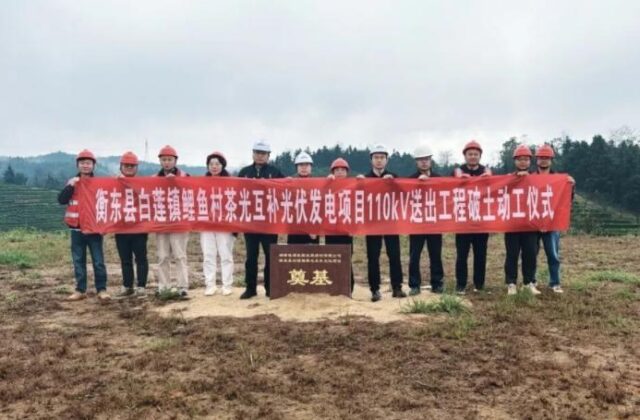
On November 7, construction successfully began on the 500,000 kW Ganzi Daofu Yari phase-two photovoltaic project being developed by Daofu Shudao Clean Energy Co., Ltd., formally moving it into substantive construction. As a key provincial- and prefectural-level new-energy project, it is a benchmark for Shudao Clean Energy Group's expansion in the western Sichuan plateau clean-energy market and improvement of the region's new-energy industrial layout, bringing strong momentum to the upgrading of western Sichuan's green-energy industry and local low-carbon, sustainable development.
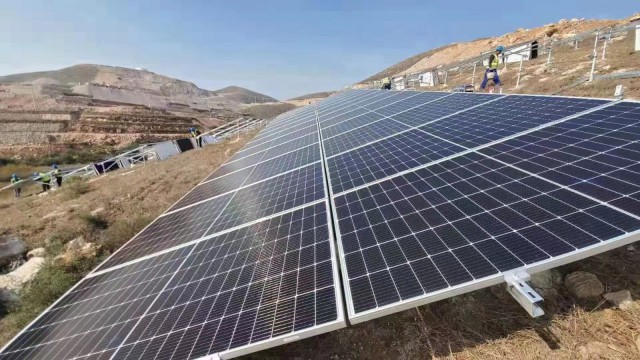
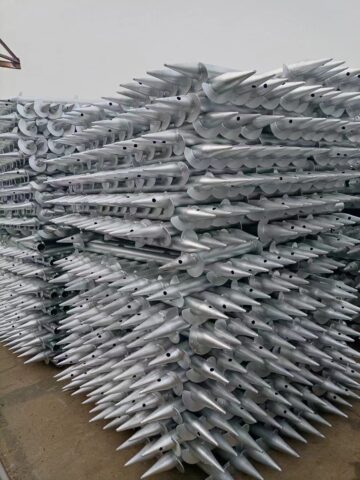
The Yari phase-two photovoltaic project is located in Seka Township, Daofu County, Ganzi Prefecture, with total installed capacity of 500,000 kW. Plans call for 92 photovoltaic arrays, more than 15,000 sets of mounting structures and over 750,000 high-efficiency photovoltaic modules, together with a new 220 kV step-up substation and a single-circuit 220 kV overhead power-export line, providing comprehensive supporting infrastructure and relatively high construction standards.
The project lies on the western Sichuan plateau at an average altitude of 4,030 metres, in typical plateau mountain terrain with distinctive natural conditions and construction requirements. In line with local terrain and industrial-development conditions, it will adopt a mature and reliable grassland–solar complementary development model suited to local circumstances, developing photovoltaic energy while supporting the plateau's characteristic livestock industry and enabling coordinated coexistence of new energy with plateau agriculture and animal husbandry. The project will also continue employing local labour and supporting further progress in rural revitalisation.
Calculations indicate that once completed and commissioned, the project could generate an annual average of 860 million kWh, meeting the annual electricity needs of approximately 280,000 households. It could reduce carbon dioxide emissions by approximately 476,000 tonnes and save approximately 264,000 tonnes of standard coal each year, substantially reducing regional carbon emissions and contributing to continued improvements in western Sichuan's energy-production and consumption structure.