Projects
Ningxia’s Gaoshawo and Majiatan storage stations enter grid-connected operation
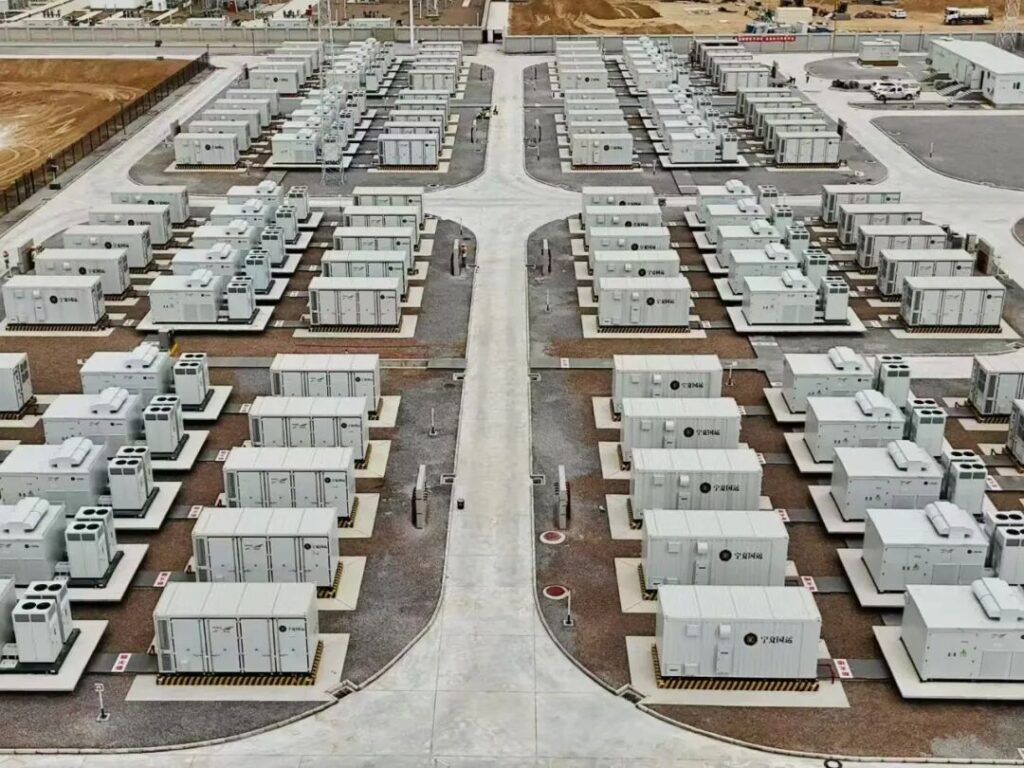
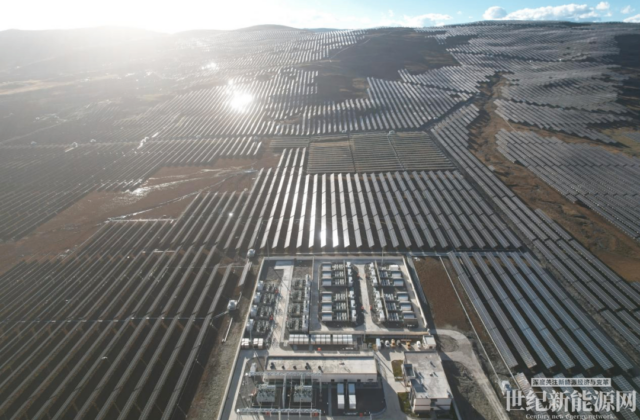
Ningxia’s 320 MW/640 MWh Gaoshawo and 240 MW/480 MWh Majiatan stations enter grid-connected operation using lithium iron phosphate batteries, PCS units and 35 kV collector circuits.
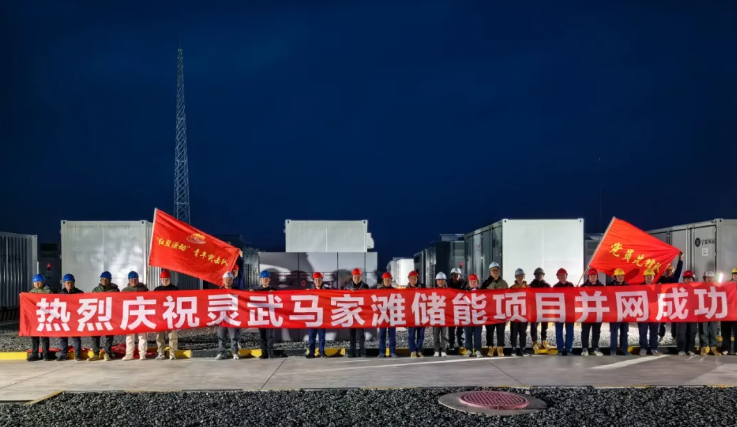
A November 5 project update reports that the company's Yanchi Gaoshawo 320 MW / 640 MWh storage station and Lingwu Majiatan 240 MW / 480 MWh storage station completed the installation of their main equipment and system commissioning, and entered grid-connected operation. It describes the milestone as an important advance in large-scale new energy-storage development in Ningxia.
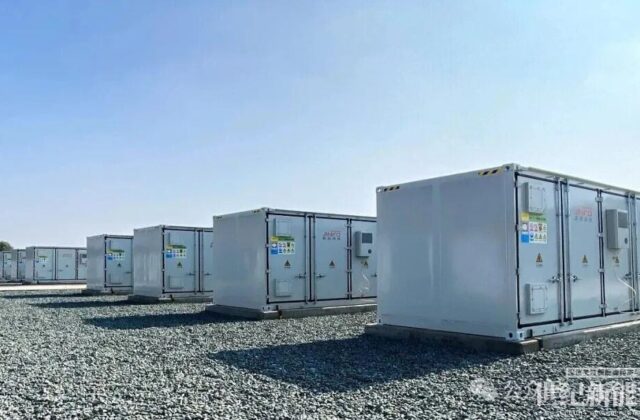
Both stations use lithium iron phosphate storage systems, which the report describes as technologically mature, safe and reliable.
The Yanchi Gaoshawo station has a total rating of 320 MW / 640 MWh, with 64 integrated PCS units and 128 battery enclosures. Eleven 35 kV collector circuits connect it to the step-up substation.
The Lingwu Majiatan station has a total rating of 240 MW / 480 MWh, with 48 integrated PCS units and 96 battery enclosures. Ten 35 kV collector circuits connect it to the step-up substation.
The report says that simultaneous construction and grid connection of the two hundred-megawatt-scale stations required detailed management of safety, quality and schedules, with responsibilities assigned throughout the project. It describes the company's Party committee as providing strategic direction, overall coordination and implementation oversight, incorporating Party-building leadership into planning, construction, commissioning and grid connection.
With limited staffing and frequent overlap between specialist activities, the teams focused on equipment manufacturing supervision, site construction, integrated system commissioning and grid-interface work. The Yanchi regional centre introduced daily scheduling, weekly reviews and monthly summaries. Morning meetings set the day's tasks, while evening meetings reviewed obstacles and adjusted the sequence of trades and work stages to maintain efficient, orderly progress.
During the final grid-connection phase, the projects faced lengthy approval procedures, a large volume of grid-interface documentation and demanding technical checks, alongside tight schedules, multiple work fronts and limited personnel. The report says the participating teams checked and submitted connection documentation item by item and in batches, worked through the night at several critical stages and maintained continuous coordination to complete the connection procedures on schedule and to the required quality.
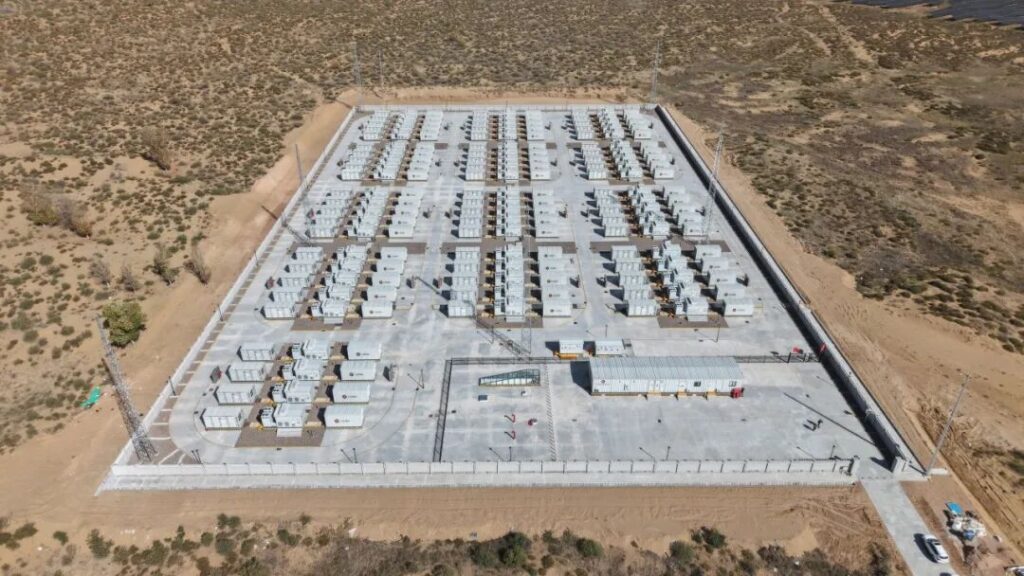
The report expects the stations to increase the region's ability to accommodate renewable generation, smooth variations in wind and solar output and strengthen peak regulation, frequency regulation and emergency reserve support. It presents these functions as contributing to a safe, efficient, green and intelligent power system and the local transition towards lower-carbon energy.
The company's next steps are to reinforce operating, maintenance and inherent-safety responsibilities; carry out daily equipment inspections; close out defects; and manage risks throughout the lifecycle through standardised maintenance. Its stated objective is long-term safe, stable, reliable and efficient operation, while realising the combined benefits and demonstration value of the Gaoshawo 1.2 GW wind-solar-storage project and Majiatan 1 GW integrated solar-storage project.