Projects
Ali’s high-altitude solar-thermal demonstration project reaches first grid connection
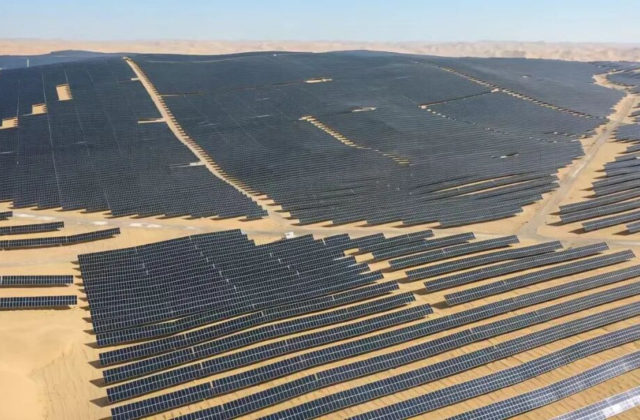
Ali’s high-altitude project combines 100 MW PV and 50 MW solar-thermal generation with molten-salt electric heating and 14-hour thermal storage; the thermal station reaches first grid connection.
On November 6, 2026, the 50 MW solar-thermal station at CGN's Ali high-altitude zero-carbon solar-storage-thermal demonstration project generated electricity for the grid for the first time. The report describes it as the world's highest-altitude grid-connected solar-thermal station and Tibet's first grid-connected project of this type. It incorporates what the developer describes as the world's largest-capacity molten-salt electric heater used at a solar-thermal power station, intended to improve energy-supply reliability in Ali.
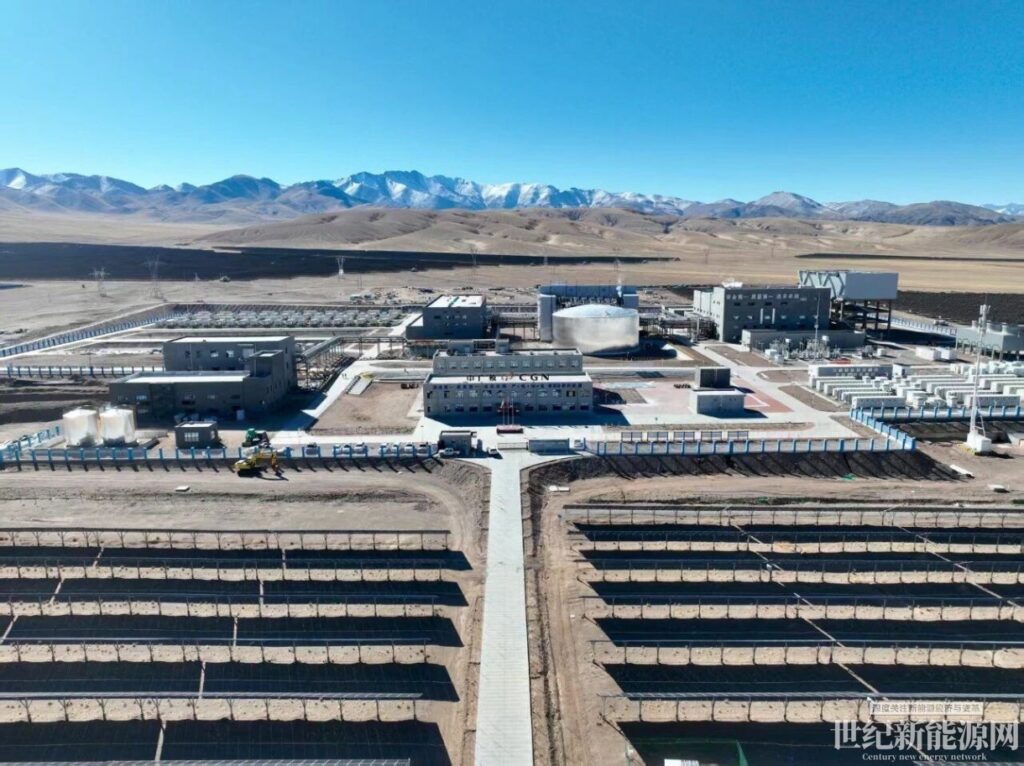
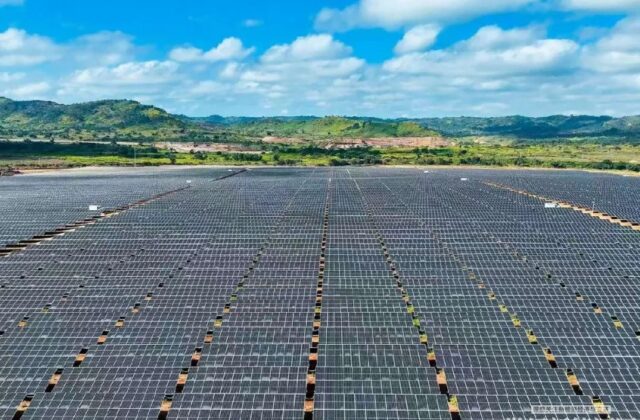
The project is located in Shiquanhe Town, Gar County, Ali, Tibet, at an average altitude of 4,300 metres. Total investment is approximately RMB 2.4 billion and total installed capacity is 150 MW. Its 100 MW PV station is already fully grid-connected. Construction of the 50 MW solar-thermal station began in July 2024. Supporting systems include off-grid PV dedicated to molten-salt electric heating, molten-salt electric heaters, 14 hours of molten-salt thermal storage, a lithium-battery asynchronous interconnection system and two 25 MW turbine-generators. The first connection concerns turbine-generator 1; unit 2 is scheduled to connect later in the reporting year.
Ding Hongliang, the CGN Ali project's engineering lead, described it as the first solar-thermal power station to use a 'PV + molten-salt electric heating + asynchronous interconnected storage' technology route, with a proprietary solar-thermal DCS and 205 MW of molten-salt electric heating. In its heat-storage combined heat-and-power operating mode, daytime PV electricity is converted into heat and stored in high-temperature molten salt. Steam generation then supports continuous electricity supply and urban heating. The station is designed for both grid-connected and independent operation: under normal conditions it supports the wider grid; under special conditions it can switch rapidly to an independent source for regional critical loads.
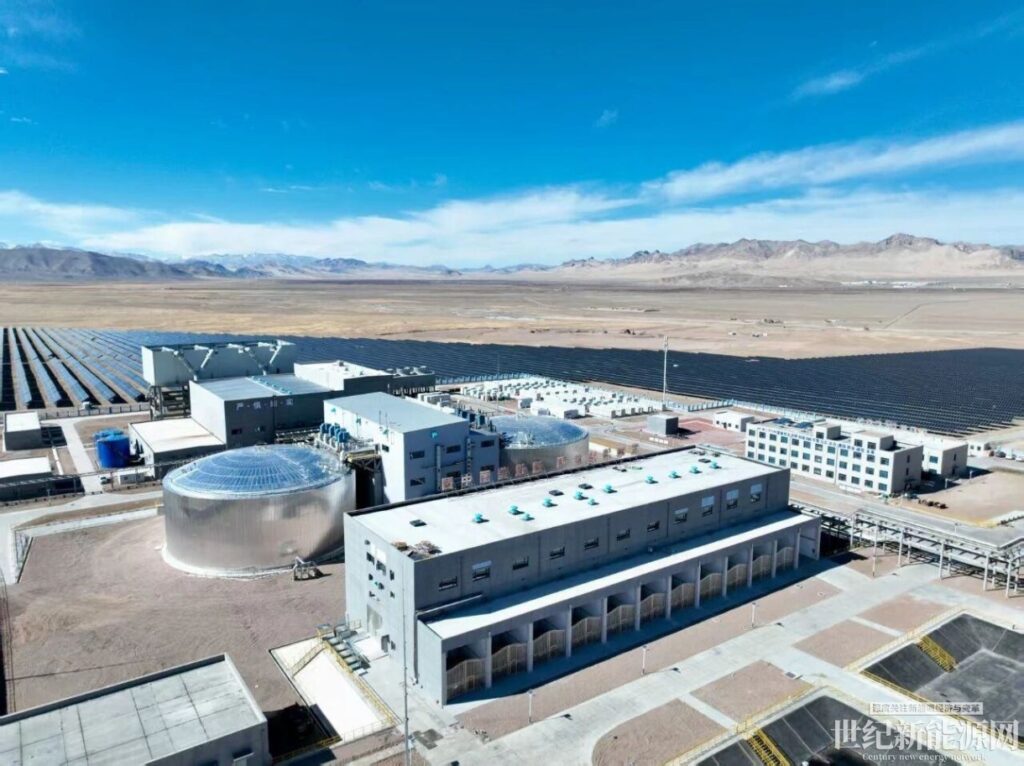
Construction has provided work for more than 500 local farmers and herders and used 27 pieces of local machinery, generating over RMB 20 million in local income. Engineering work and training have helped some herders move into skilled industrial employment. After full completion, the project is expected to generate approximately 270 million kWh annually, save around 74,200 tonnes of standard coal and reduce carbon dioxide emissions by about 168,200 tonnes, supporting local environmental protection and low-carbon development.