CESC2026 in Nanjing examines storage performance, grid support and project economics
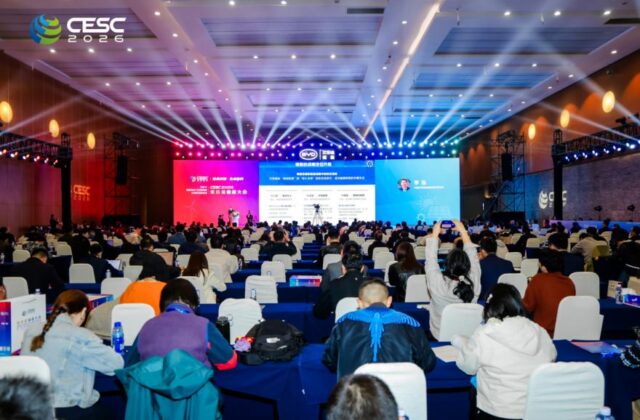
Conference sessions connect battery and grid-forming research with industrial applications, overseas delivery, operational economics and on-site technology testing.
Cell chemistry, modules, packs, racks, ageing and stationary battery qualification.
Conference sessions connect battery and grid-forming research with industrial applications, overseas delivery, operational economics and on-site technology testing.
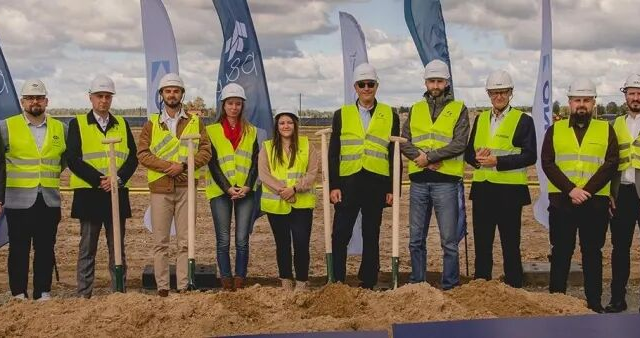
The Siedlce development combines Chinese battery-system supply with local engineering and a 400 kV grid connection, targeting commercial operation by the end of 2027.
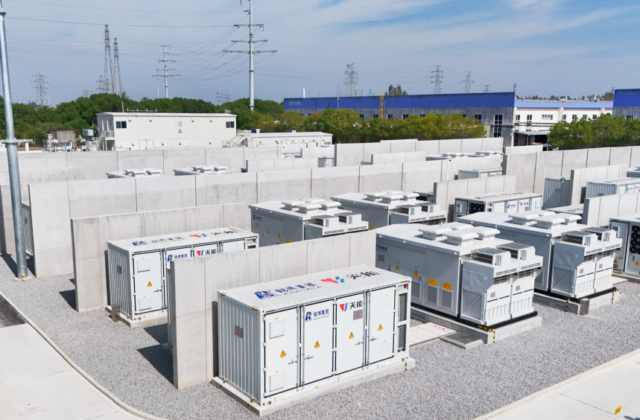
The Pinghu project uses 24 storage units, a new 110 kV step-up substation and Tianneng's string-based control architecture.
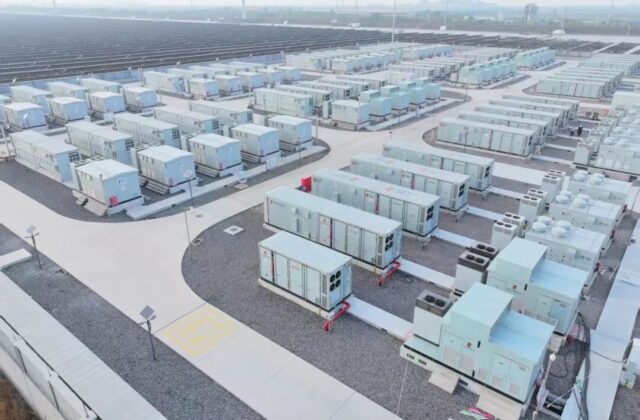
The final 142.3 MW / 284.6 MWh project brings the base's planned independent storage capacity into full grid connection.
A storage battery may be described at cell, module, pack, rack or system level. Capacity in Ah requires its associated voltage to describe energy, and a cell rating cannot be treated as the usable energy of a complete installation.
Chemistry, temperature, charge/discharge rate, depth of discharge and end-of-life criterion all affect how lifetime figures should be read. Cycle count without those conditions is not a comparable performance specification.
Qualification should connect the exact model and batch to its technical documentation, control interfaces, protection and intended application. PV solar cells are generation devices and are not part of this battery category.