BMS, EMS and PCS: the three control systems in battery storage
A complete technical reading edition explaining battery monitoring, energy management, power conversion and their coordination in C&I storage.
Read document →Battery monitoring, protection, dispatch, energy management, communications and system coordination.
A complete technical reading edition explaining battery monitoring, energy management, power conversion and their coordination in C&I storage.
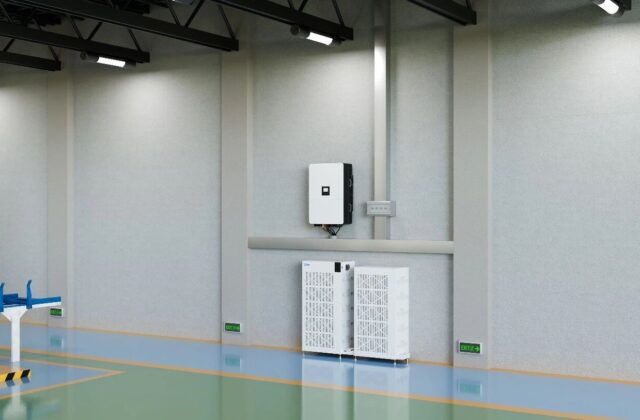
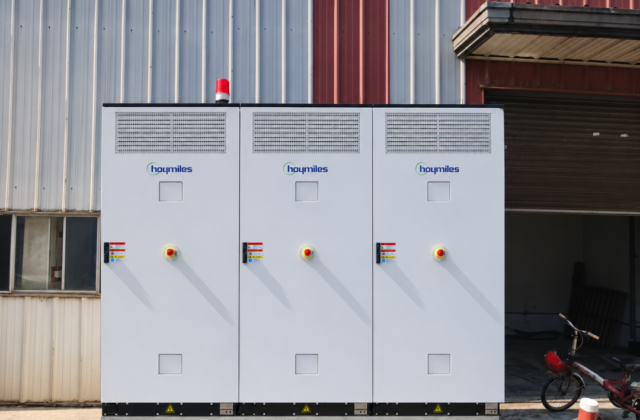
Read document →The launch separates indoor modular deployment from outdoor cabinet applications, alongside cloud energy management and lifecycle service functions.
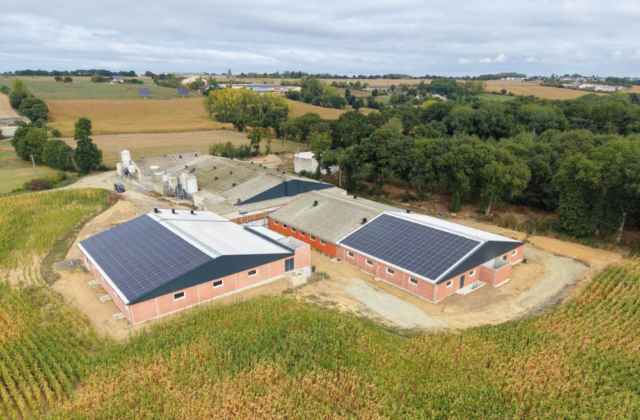
Two T-MAX Plus Hybrid systems shift surplus solar and off-peak electricity to support continuous ventilation, temperature control and other farm loads.
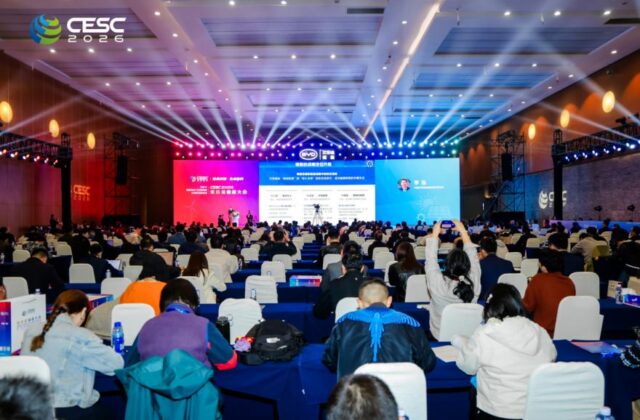
Conference sessions connect battery and grid-forming research with industrial applications, overseas delivery, operational economics and on-site technology testing.
Grid-service improvements and coordinated dispatch support a growing storage fleet; 172 stations delivered a combined 11.98 GW during an August evening peak.
Two industrial-park installations use 11 and six HoyUltra 261A units respectively, combining load management, liquid cooling and site-specific dispatch.
The Pinghu project uses 24 storage units, a new 110 kV step-up substation and Tianneng's string-based control architecture.
The final 142.3 MW / 284.6 MWh project brings the base's planned independent storage capacity into full grid connection.
Battery management, energy management and power conversion perform different jobs. BMS monitors and protects the battery; EMS coordinates operation according to system objectives and limits; PCS executes power conversion within its permitted operating range.
Integration depends on data quality, communications, timing, fault handling and agreed control authority. SOC and SOH estimates, alarm handling and operating limits require a clear technical basis rather than being treated as interchangeable software features.
Specify protocols, interfaces, remote access, cybersecurity responsibilities and failure behaviour as part of the system. Software capabilities should be linked to the delivered version and supported hardware configuration.