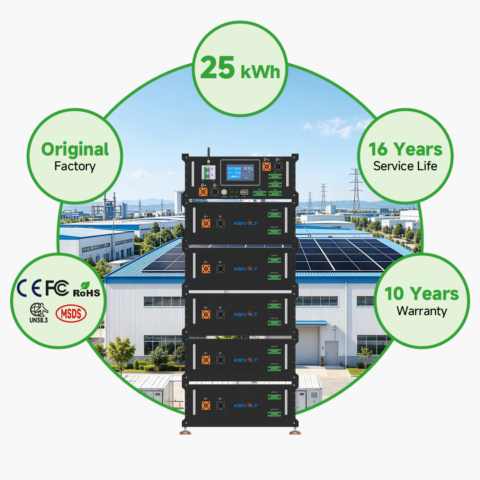
 Product image
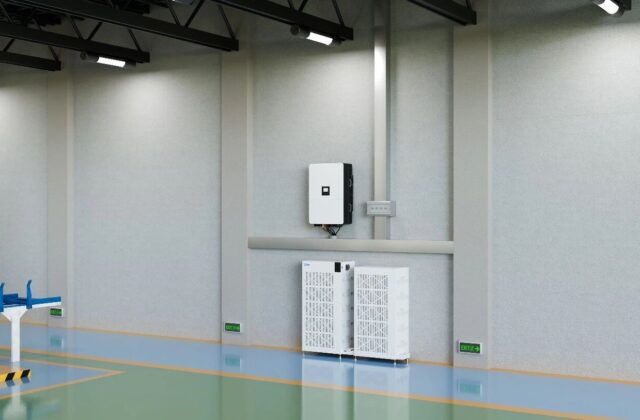
LiFePO4 Rack Battery for Residential Energy Storage
Residential rack battery product range
- Technology
- Lithium iron phosphate (LiFePO4)
- Rating / capacity
- 20 / 25 / 30 kWh supplier-listed configurations
Cabinets, containers, AC/DC coupling, electrical interfaces and complete-system delivery.
Product image
Residential rack battery product range
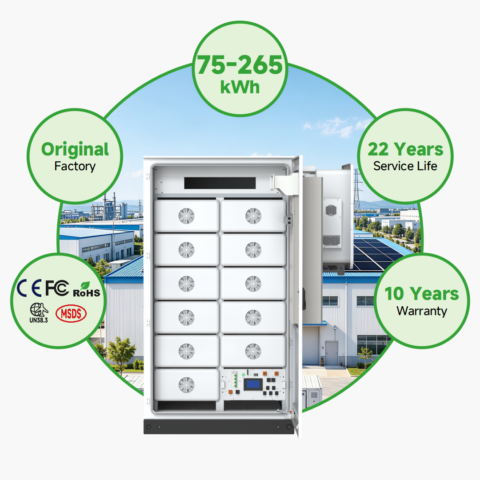 Product image
Outdoor battery cabinet product range
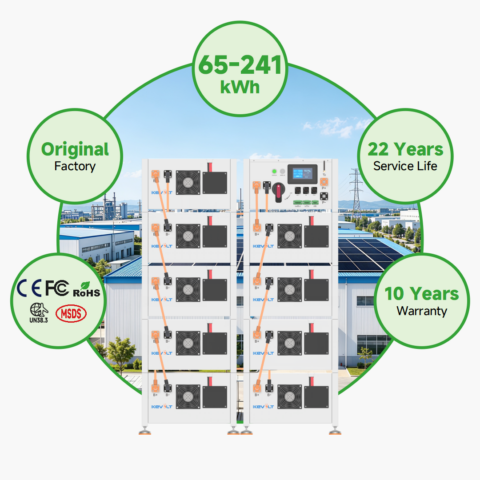 Product image
Commercial modular high-voltage rack family
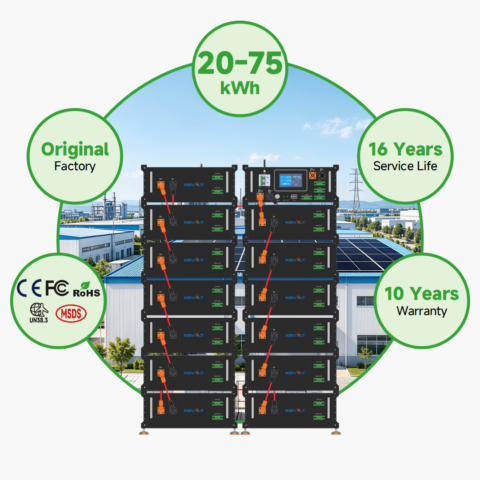 Product image
Residential modular battery rack family
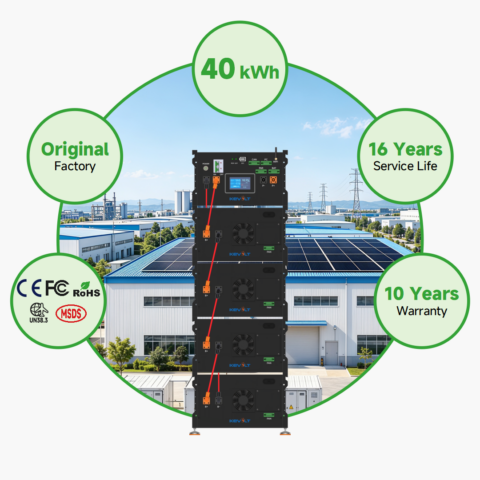 Product image
40 kWh battery rack configuration
A complete technical reading edition explaining battery monitoring, energy management, power conversion and their coordination in C&I storage.
Read document →The launch separates indoor modular deployment from outdoor cabinet applications, alongside cloud energy management and lifecycle service functions.
A complete comparison of centralised and string PCS arrangements, separate versus integrated enclosures, fault boundaries, delivery and lifecycle selection.
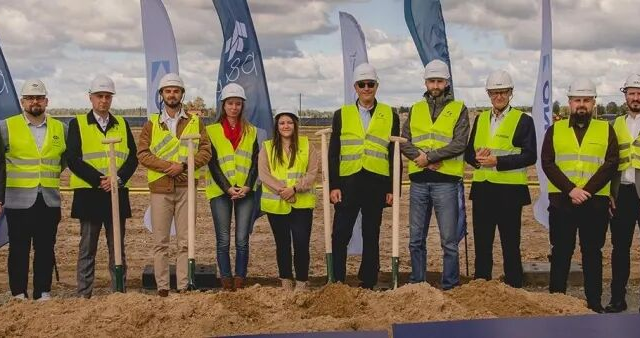
Read document →The Siedlce development combines Chinese battery-system supply with local engineering and a 400 kV grid connection, targeting commercial operation by the end of 2027.
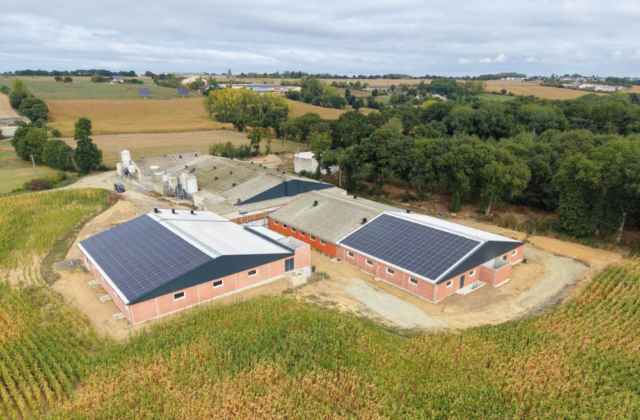
Two T-MAX Plus Hybrid systems shift surplus solar and off-peak electricity to support continuous ventilation, temperature control and other farm loads.
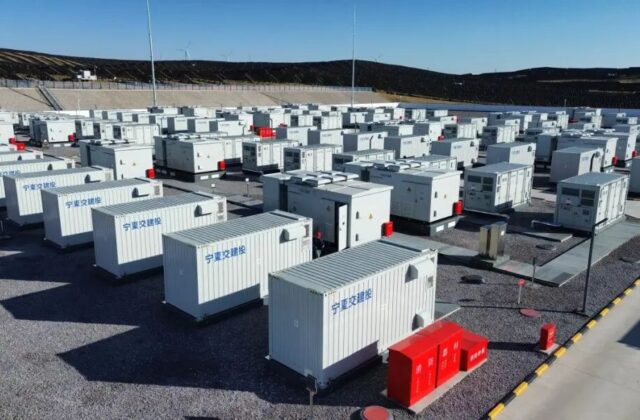
The Shizuishan project combines four-hour storage with an AC-side solution comprising 26 converter-transformer units and 103 central PCS units.
Product image
Commercial modular high-voltage rack family
Product image
Residential rack battery product range
Product image
40 kWh battery rack configuration
An integrated storage product may include different combinations of batteries, PCS, controls, cooling and protection. State whether the quoted boundary is a DC battery system, an AC cabinet, a container or a complete station.
Match power and energy ratings to the same configuration and identify auxiliary loads, transformers and installation exclusions. Cabinet dimensions do not establish usable capacity or the space required by a complete installation.
Integration documentation should define interfaces, commissioning tests, responsibility boundaries and ongoing service. Cross-listed equipment is a research connection, not evidence that every combination has been tested together.